
HIPAA-compliant software development means building apps, portals and platforms that protect PHI the way the HIPAA Security Rule expects: controlled access, audit trails, encryption, integrity checks and secure transmission — backed by risk analysis, vendor agreements and operating procedures.
We engineer those safeguards into patient apps, clinician tools, telehealth platforms, integrations and HIPAA-compliant websites and web applications, and document them so your compliance team, auditors and customers can see how the system works.
We do not sell certificates or legal opinions. We act as the engineering partner inside your compliance program — signing a BAA where our team handles PHI — and work with your privacy officer or counsel on the policy side. As a Fort Lauderdale company, we also build with Florida's own privacy and telehealth rules in view.
Healthcare platforms built around protected data
These healthcare projects in our case studies all handled sensitive patient or research information, so access, data handling and integrations had to be designed in from the start.
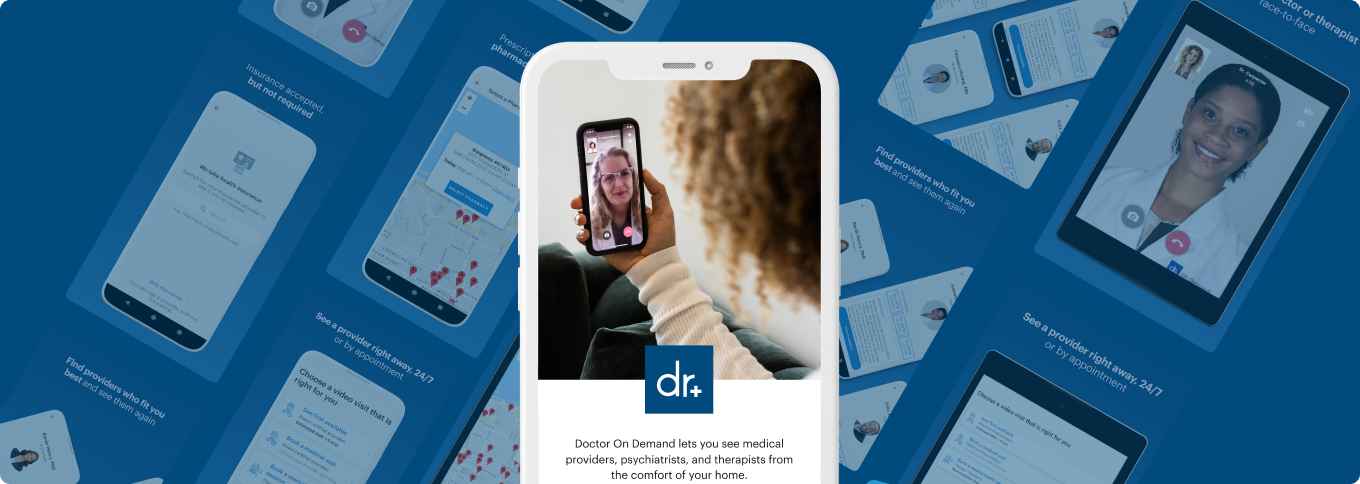
Telemedicine platform & mobile app
ELEKTRIK team members worked on Doctor On Demand's telemedicine platform: native iOS and Android apps, a web platform, HIPAA-aligned video visits, scheduling, payments, and EHR and prescription workflows.
Read the Doctor on Demand case study →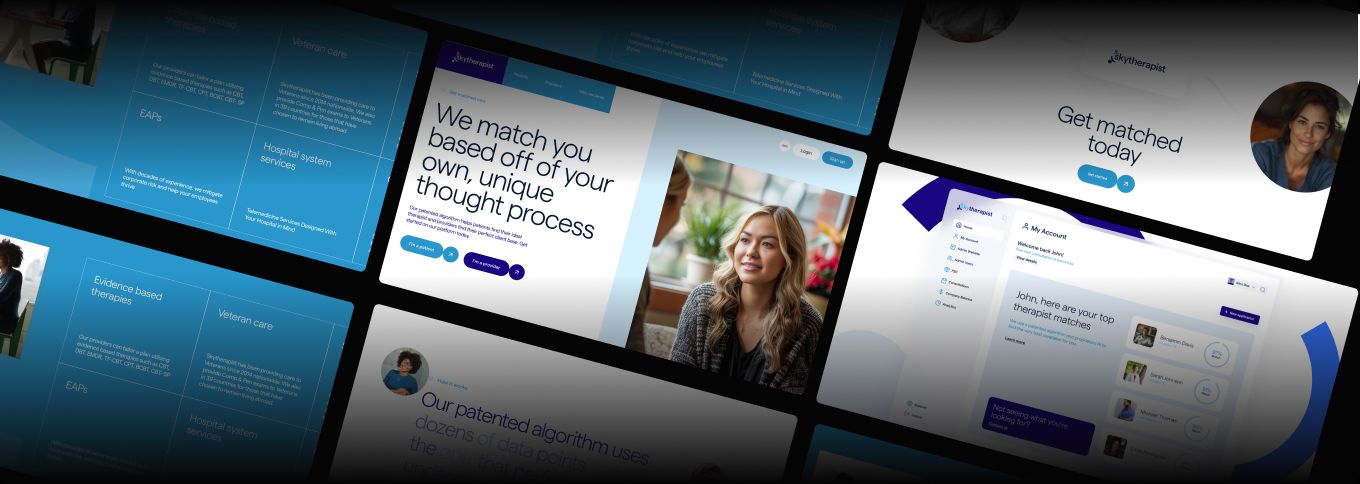
AI-powered patient–provider matching platform
A patient–provider platform that matches patients with providers using 12+ variables, with a patient journey simple enough for first-time users and provider data handled behind role-based access.
Read the Sky Therapist case study →
Generative AI platform for pharmaceutical R&D
Generative AI models and analytics embedded into an existing pharmaceutical R&D workflow, with compliance and model-validation steps agreed with the research teams.
Read the Amgen case study →PHI data mapping & risk input
Data-flow diagrams and technical findings that feed your Security Rule risk analysis.
HIPAA-compliant app development
iOS, Android and web apps with secure storage, sessions and notifications that don't leak PHI.
HIPAA-compliant web development
Portals and websites that keep PHI out of marketing tools, forms and analytics.
Secure cloud architecture
BAA-covered hosting, encryption, key management, backups and environment separation.
Audit logging & monitoring
Who-saw-what logs, alerting and evidence ready for internal and customer reviews.
Compliance remediation
Assessing an existing product, then fixing access, logging and data-handling gaps in priority order.
Typical hipaa-compliant software development engagements
New digital health products
Start a regulated product with the right architecture instead of retrofitting it.
Enterprise security reviews
Close the gaps a hospital or payer customer found in your security questionnaire.
Telehealth platforms
Video, messaging and scheduling with BAA-covered vendors and consent records.
Patient portals & websites
Intake, records and messaging kept separate from marketing analytics.
AI features on health data
LLM and analytics features that respect PHI boundaries and vendor agreements.
Legacy system remediation
Adding audit trails, encryption and access control to an older healthcare app.
Healthcare delivery experience
Our teams have worked on telemedicine and clinical integration products in production.
Safeguards by design
Access, audit and encryption are architecture decisions, not a final checklist.
Honest about responsibilities
We separate what software can do from what your policies and counsel must cover.
BAA when we touch PHI
We sign a Business Associate Agreement that reflects the work our team actually does.
Florida based
Headquartered in Fort Lauderdale, with Florida privacy and telehealth rules in view.
Built for handover
You keep the code, infrastructure, documentation and audit evidence.
What HIPAA-compliant software development actually involves
No vendor can sell you a HIPAA certificate — HHS does not issue one. What a development partner can do is build the safeguards, document them and work inside your compliance program. Use these questions with any vendor, including us.
Confirm whether HIPAA applies, and to whom
HIPAA applies to covered entities — health plans, healthcare clearinghouses and providers that conduct certain electronic transactions — and to business associates that create, receive, maintain or transmit protected health information (PHI) on their behalf. A consumer wellness app may fall outside HIPAA while the same features sold to a clinic fall inside it. Settle this with counsel before choosing infrastructure, because it decides which vendors need a Business Associate Agreement (BAA).
- Is the customer a covered entity, or are we a business associate or subcontractor?
- Which features create, receive, store or transmit PHI?
- Which cloud, email, analytics and support vendors will touch that data?
Map the PHI before writing code
Every HIPAA-compliant software project should start with a data-flow map: where PHI enters, where it is stored, which services process it and where it leaves — including logs, backups, crash reports, push notifications and analytics. That map drives the risk analysis the Security Rule requires and shows which parts of the product need the strictest controls.
Build the technical safeguards in, not on
The Security Rule's technical safeguards cover access control, audit controls, integrity, person or entity authentication and transmission security. In practice that means unique user accounts and role-based permissions, encryption in transit and at rest, tamper-evident audit logs, session timeouts, secure key management and separate development, staging and production environments with no real PHI in test data.
- Role-based access with least privilege and regular access reviews
- Encryption in transit (TLS) and at rest, with managed keys
- Audit logs of who viewed or changed PHI, retained and reviewable
- De-identified or synthetic data outside production
Sign the right agreements with the right vendors
Cloud hosting, email and SMS, video, error tracking and support tools may all need a BAA if they handle PHI — and many consumer-grade tools will not sign one. We check each dependency during architecture and choose services that will. Where our own team handles PHI on your behalf, we sign a BAA that reflects the actual work.
Plan breach response and operations from day one
Compliance continues after launch: patching, monitoring, backups, access reviews and incident response all need named owners. The HIPAA Breach Notification Rule sets federal notice duties, and state laws can add their own. Build the alerting, investigation records and timelines you would need during an incident before the first patient signs in.
HIPAA compliance in Florida
Florida organizations follow HIPAA plus state law. The Florida Information Protection Act (FIPA, Fla. Stat. § 501.171) covers breaches of personal information — including medical and health insurance information — with its own notice duties to individuals and, for larger breaches, to the Florida Department of Legal Affairs. Out-of-state professionals providing telehealth to patients in Florida generally need a Florida license or registration under Fla. Stat. § 456.47, and Fla. Stat. § 408.051 limits where certified EHR data may be stored offsite. Our Fort Lauderdale headquarters works with Florida healthcare teams on software that supports both sets of obligations; your counsel confirms how they apply to you.
- Breach workflows that track HIPAA and FIPA deadlines separately
- Records of which Florida residents a breach could affect
- Telehealth registration details captured for out-of-state clinicians
- Hosting and backups kept in locations Florida EHR rules allow
- Digital health
- Virtual care
- Physician practices
- Hospital systems
- Health plans
- Behavioral health
- 01Applicability & data mappingWho is covered, which features touch PHI and where that data flows.
- 02Safeguard architectureAccess, encryption, logging, environments and BAA-covered vendors chosen up front.
- 03Build with evidenceSafeguards implemented and documented as each feature ships.
- 04Test the controlsPermission boundaries, logging, backups and failure paths tested before launch.
- 05Launch & hand overRunbooks, incident steps and audit evidence handed to your team.
- 06Operate & reviewPatching, monitoring and periodic access and risk reviews.
What is HIPAA-compliant software development?
Building software that handles protected health information with the safeguards the HIPAA Security Rule expects — access control, audit controls, integrity, authentication and transmission security — supported by a risk analysis, vendor agreements and operating procedures.
Can you certify our software as HIPAA compliant?
No one can: HHS does not certify software or vendors. We build and document the technical safeguards and support your reviews. Compliance is a property of your organization's whole program, confirmed with your privacy officer and counsel.
Will you sign a Business Associate Agreement?
Yes, where our team will create, receive, maintain or transmit PHI on your behalf. We confirm during discovery which data our team will actually access.
Are you a HIPAA compliance consultant?
We are an engineering partner rather than a legal or policy consultancy. We help with the technical side — data mapping, safeguards, vendor choices and evidence — and work alongside your compliance consultant or counsel on policies and legal questions.
Can you build a HIPAA-compliant website?
Yes. We keep PHI out of marketing pages, tracking pixels and general analytics, route sensitive forms to BAA-covered systems and separate the public site from any patient portal.
Do Florida laws add anything to HIPAA?
Yes. Florida's Information Protection Act (Fla. Stat. § 501.171) adds state breach-notice duties for personal information including medical information, Fla. Stat. § 456.47 covers telehealth registration for out-of-state providers, and Fla. Stat. § 408.051 limits where certified EHR data may be stored offsite. Our Florida HIPAA laws guide explains them; your counsel confirms how they apply to you.
Can you fix an existing app that failed a security review?
Yes. We assess the findings, map the PHI flows and fix access control, logging, encryption and vendor gaps in priority order, without stopping the product.
Where is your team based?
Our headquarters is at 200 S Andrews Ave, Ste 504, Fort Lauderdale, FL 33301, and we have an office at 353 Lexington Ave, Suite 400, New York. We work with healthcare teams across the US.
HIPAA and Florida guides
- Florida HIPAA Laws for Software Teams: FIPA, Telehealth Registration and the Florida HIEFlorida HIPAA laws for software teams: FIPA, telehealth registration and the Florida HIE.
- The HIPAA-Compliant App Development ChecklistThe technical and operational checklist we use on HIPAA-regulated apps.
- HL7 vs FHIR: A Practical Integration Guide for EHR ProjectsMoving PHI between systems with HL7 v2 and FHIR.
- Healthcare Software DevelopmentCustom patient apps, clinician tools and digital health platforms.
- TelemedicineHIPAA-aligned video visits, scheduling and virtual care.
- Healthcare Systems IntegrationFHIR, HL7 v2 and EHR vendor integrations.
Build healthcare software you can defend in a review.
Tell us what the product does, which data it handles and who your customers are. Please keep patient details out of your message.