Most delivery problems are infrastructure problems wearing a product costume: manual deploys, drifting environments, no observability and a cloud bill nobody can explain. We fix that layer so shipping stops being an event.
We design cloud architecture as code — reproducible environments, automated pipelines, least-privilege access and monitoring that tells you what broke before your customers do.
Because we deliver in regulated industries, our defaults assume audits: encrypted data paths, retention rules, access logs and documented disaster recovery you can show an assessor.
Cloud architecture & migration
Landing zones, network design and phased migration off legacy hosting or single-server setups.
Infrastructure as code
Terraform-managed environments that are reproducible, reviewable and free of manual drift.
CI/CD & release automation
Pipelines with tests, preview environments, phased rollouts and one-click rollback.
Kubernetes & container platforms
Right-sized clusters, autoscaling, service networking and workload isolation.
Observability & on-call
Metrics, logs, traces, SLOs, alert routing and runbooks your team can actually operate.
Security & cost engineering
Least-privilege IAM, secret management, vulnerability scanning and a cloud bill you can forecast.
Typical cloud, devops & platform engineering engagements
Getting off manual deploys
Replacing SSH-and-pray releases with automated, reversible pipelines.
Compliance-ready hosting
HIPAA, PCI-DSS and SOC 2 aligned environments with the evidence trail included.
Scaling under real traffic
Autoscaling, caching and load testing before the launch or seasonal peak.
Cloud cost rescue
Finding and removing the waste behind an unexplained monthly bill.
Multi-environment discipline
Identical dev, staging and production environments created from one codebase.
Incident readiness
Alerting, runbooks, backups and tested restore procedures instead of hope.
Product-aware infrastructure
We build the platform and the application, so the two are designed for each other.
Everything as code
No snowflake servers, no undocumented consoles — infrastructure lives in your repo.
Audit defaults
Encryption, access logging, retention and DR designed in from day one.
Cost accountability
We report unit economics, not just uptime, and tune spend as you grow.
Handover, not lock-in
Your cloud accounts, your Terraform, documented runbooks and trained engineers.
Boring where it matters
Proven components over fashionable ones for anything that carries production traffic.
- Healthcare
- Financial services
- Automotive
- Media
- Logistics
- SaaS
- 01Assess & baselineCurrent architecture, deploy process, cost and risk documented with a prioritised gap list.
- 02Design the targetLanding zone, environments, network and access model agreed before anything moves.
- 03CodifyTerraform modules, pipelines and monitoring built and reviewed like application code.
- 04Migrate safelyPhased cutover with rollback paths, load testing and zero-surprise maintenance windows.
- 05OperateSLOs, alerting, on-call rotation support and incident reviews that produce fixes.
- 06OptimiseContinuous cost, performance and security tuning as traffic and product scope change.
Do we need Kubernetes?
Often not. We pick the simplest runtime that meets your scaling and compliance needs — managed services and containers first, clusters only when they earn it.
Can you work with our existing cloud account?
Yes. We work inside your accounts and permissions, leave everything in your ownership and document what we change.
Will this reduce our cloud bill?
Usually meaningfully — right-sizing, storage lifecycle rules, autoscaling and removing idle resources are the common wins.
Do you support compliance audits?
We produce the infrastructure evidence, diagrams, access records and DR test results assessors ask for.
Can you take over on-call?
We can cover on-call during and after delivery, or set up your rotation with runbooks and train your team into it.
How fast can you stabilise a fragile setup?
Backups, monitoring and a safe deploy path typically land inside the first two to four weeks; deeper re-architecture follows a staged plan.
Cloud, DevOps & Platform Engineering in production

Forecasting · Segmentation · MLOps
Gen AI · Google Cloud · Chatbot

Live streaming · AR replays · Mobile

iOS · Android · Web · Payments
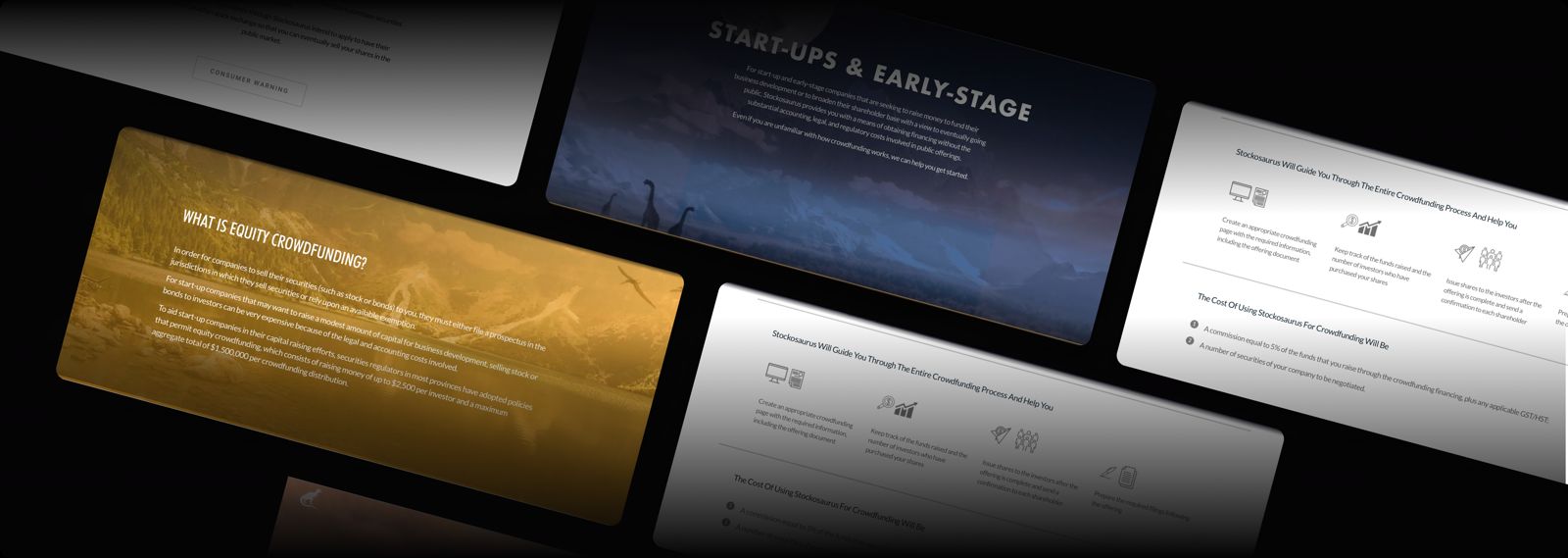
Web · KYC · Compliance
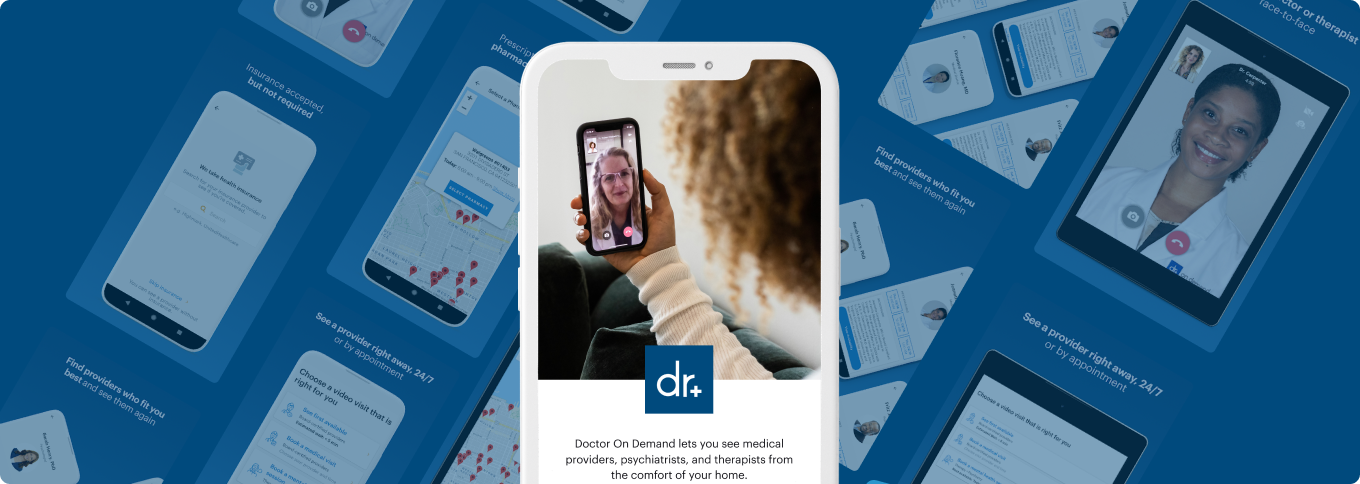
iOS · Android · Web · Video care
Make shipping boring again.
Tell us how you deploy today and what keeps breaking — we'll come back with a concrete infrastructure plan.