
Your website is usually the first place prospects, investors, and partners go to decide whether you are credible. We design and build that experience as a high-performance platform, not a one-off deliverable.
ELEKTRIK covers the full lifecycle: custom website development in TypeScript and React, ongoing maintenance and support retainers, and SEO services that help your audience find you. Every decision — from information architecture to server rendering — is made with speed, stability, and search visibility in mind.
Our maintenance retainers keep dependencies current, security patched, and performance monitored after launch, so the site does not drift out of shape six months later. When improvements are needed, the same team that built it can ship them.
SEO is built in from the start: clean code, structured data, fast Core Web Vitals, internal linking, and content strategy that aligns with how your customers actually search.
Websites we've built
Global brand and B2B websites documented in our case studies, each built to be managed by the client's own team and found in search.
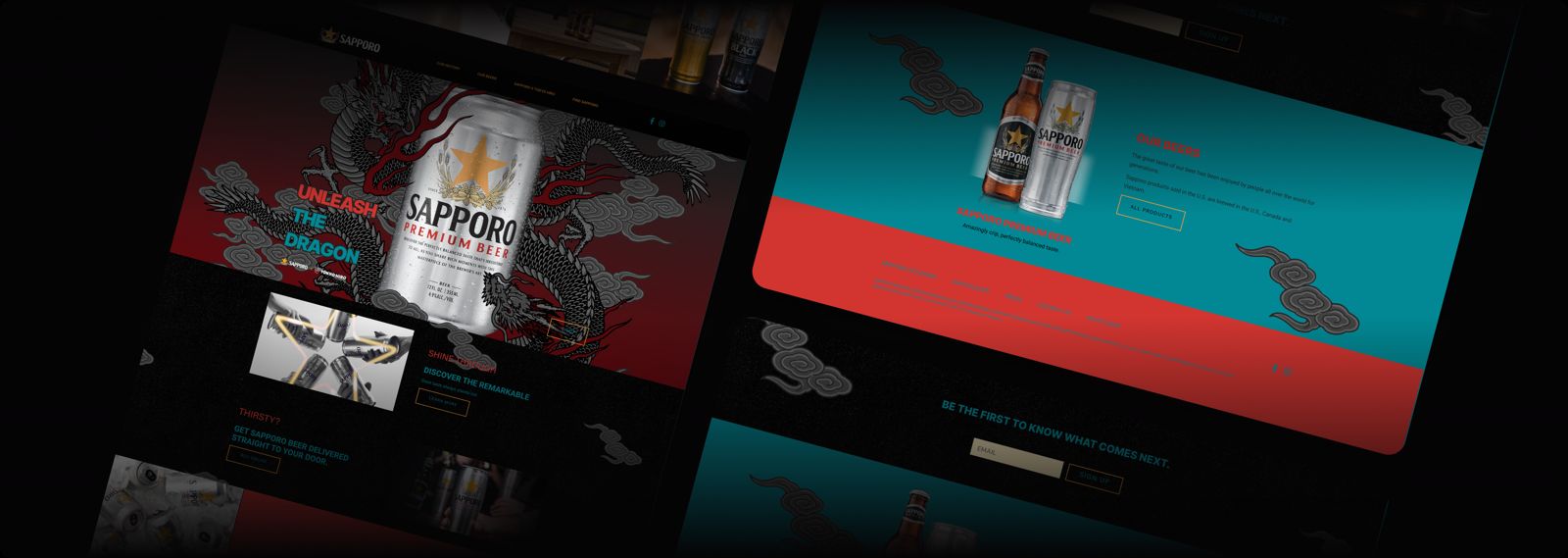
Heritage-driven global brand website
A heritage-driven global brand website with regional product pages, a CMS the marketing team uses to ship campaigns, and performance tuning for fast-loading imagery.
Read the Sapporo Beer case study →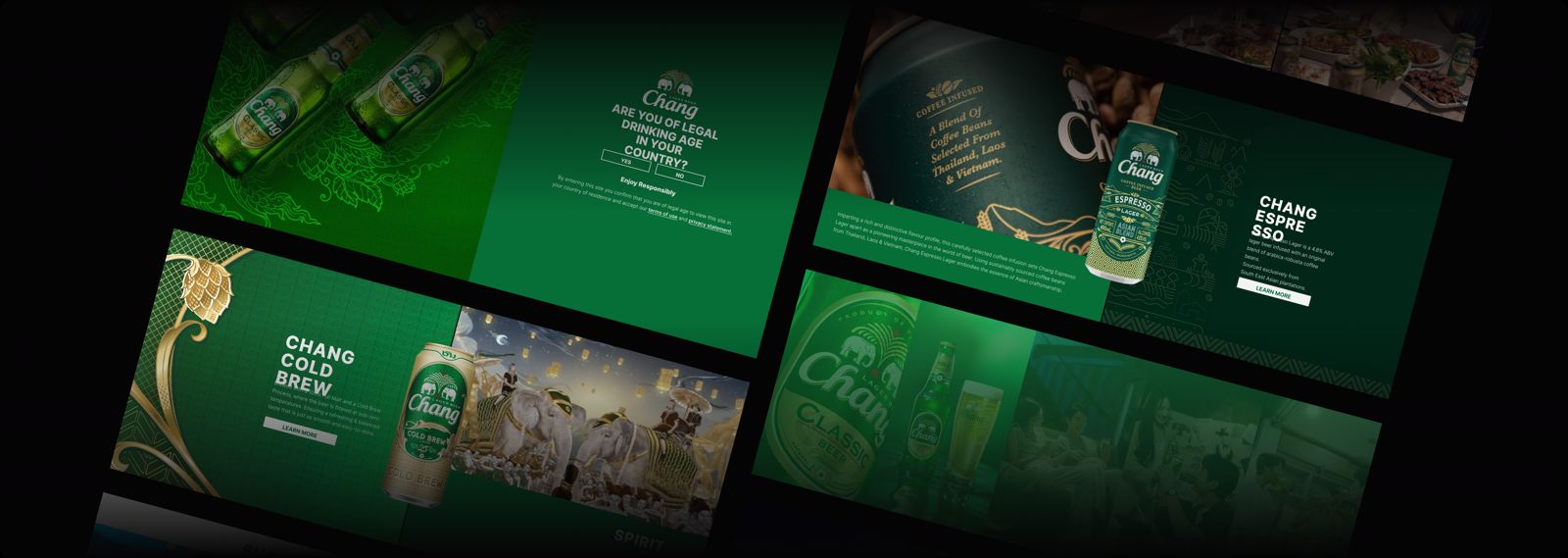
Global brand website with multi-language storytelling
A mobile-first global brand website with multi-language content management, brand storytelling sections and QA across every supported language.
Read the Chang Beer case study →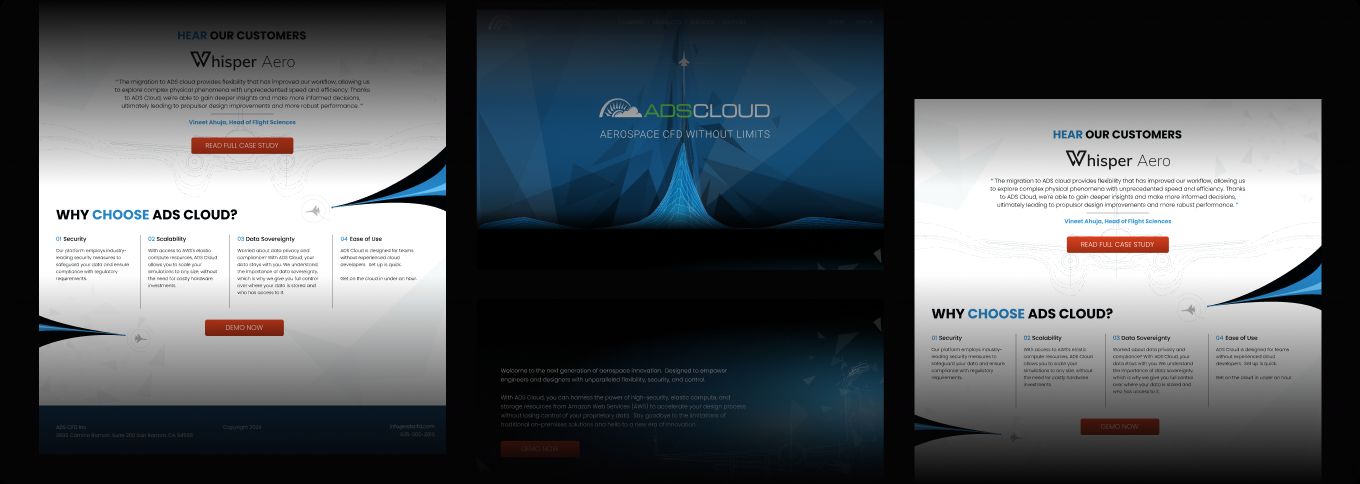
Content-rich website for engineering software
A content-rich engineering software website with information architecture for technical and non-technical visitors, lead forms and a page structure built for search visibility on technical terms.
Read the ADS CFD case study →Custom website development
Marketing sites, content platforms, and SaaS front-ends built in TypeScript, React, and Next.js with clean architecture and real engineering standards.
Website maintenance retainers
Dependency updates, security patches, uptime monitoring, performance checks, and a monthly backlog of improvements.
Technical SEO
Crawl health, structured data, Core Web Vitals, indexability, redirects, and schema markup handled in the codebase.
Content & on-page SEO
Keyword strategy, internal linking, metadata, and page structures that match search intent and support conversion.
Replatforming & migrations
URL mapping, redirect strategy, parity checks, and staged launches that protect rankings and traffic.
Performance & accessibility
Real-user and lab performance tuning, responsive design, and accessibility compliance as part of every build.
Typical website development, maintenance, and seo services engagements
New brand launch
A fast, search-ready marketing site built to support launch campaigns and investor decks from day one.
Replatforming without traffic loss
Moving from a legacy CMS or slow stack while preserving URLs, rankings, and redirects.
Slow site rescue
Diagnosing and fixing performance bottlenecks that hurt conversions and search visibility.
Ongoing site operations
A monthly retainer that handles updates, monitoring, and small improvements so internal teams stay focused.
Local & multi-location visibility
Location pages, listings, and review signals for businesses selling in specific markets.
International expansion
Hreflang, locale routing, and content structures for multi-market growth.
Development and SEO together
One team owns code, content structure, and search outcomes instead of passing blame between agencies.
Built for maintainability
Clean architecture and documentation so future changes are fast and low-risk.
Retainers that prevent decay
Regular updates and monitoring stop the performance and security drift common after launch.
SEO written by engineers
Crawl, render, and indexing problems are fixed in code, not just reported in a slide deck.
Real-user performance focus
Field data and Core Web Vitals drive priorities, not synthetic scores alone.
Full-stack accountability
Frontend, backend, infrastructure, and search all owned by the same delivery team.
How to choose a web development company
A website is easy to launch and expensive to get wrong. These questions help you compare any web development agency, including us.
Separate the website from the web application
A marketing website and a web application need different skills. Marketing sites live or die on speed, content editing and search visibility; web applications need accounts, data, integrations and security. Ask which one the agency is quoting for, and whether the same team can handle both if your site needs a customer portal, dashboard or booking flow.
Make SEO part of the build, not a later add-on
Many search problems are created during the build: pages that only render in the browser, missing metadata, slow templates, broken redirects after a redesign. Technical SEO services work best when they are part of development, so these issues never reach production.
- Is the page content in the HTML search engines receive?
- How will old URLs be redirected during a redesign or migration?
- Who sets up and owns Google Search Console and analytics?
Ask who maintains it after launch
Frameworks, plugins and hosting all need updates, and a site that is left alone slowly gets slower and less secure. Agree before launch who handles updates, monitoring and small changes — whether that is your team, the agency or a website maintenance service.
Check ownership of code, domain and accounts
Make sure the code repository, domain, hosting, CMS and analytics accounts are in your company's name. If you change agencies later, this decides whether you move in a day or rebuild from scratch.
Know what SEO services can and can't promise
Nobody can guarantee Google rankings. Good web development and SEO services remove technical obstacles, structure pages around what your customers search for and measure progress in Search Console. Visibility for competitive terms also depends on useful content, reviews and links from other sites, which takes months rather than weeks.
- SaaS
- Healthcare
- Financial services
- Enterprise brands
- Marketplaces
- 01Discovery & architectureGoals, audiences, content model, technical constraints, and search opportunity mapped before design.
- 02Design & prototypeResponsive designs and clickable prototypes validated for usability, performance, and SEO structure.
- 03Build & integrateFrontend, backend, CMS, and third-party services integrated with automated tests and CI checks.
- 04Launch & migrateStaged release, redirect mapping, performance verification, and search-console monitoring.
- 05Maintain & improveRetainer-based updates, security patches, monitoring, and a monthly improvement backlog.
- 06Measure & growRankings, Core Web Vitals, traffic, and conversion tracked against agreed targets.
What are technical SEO services?
Work on the parts of a website that decide whether search engines can find, render and understand it: crawlability, server rendering, page speed and Core Web Vitals, metadata, structured data, redirects, sitemaps and internal links. We fix these in the code rather than only reporting them.
Do you offer web development and SEO services together?
Yes. The same team builds the site and owns its search health, so technical SEO is part of every release instead of a separate agency's audit.
Can you do SEO for a website you didn't build?
Yes. We start with a technical audit of the existing site, fix what blocks visibility and then work on page structure and content around the searches that matter to your business.
What is the difference between custom web development and a template website?
A template site is quick to launch but limited in speed, design and integrations. Custom web development builds the site around your content, systems and growth plans, so it can handle portals, integrations and scale without fighting the template.
Do you only build marketing sites?
No. We also build content platforms, SaaS front-ends, dashboards, and integrated web applications.
What does the maintenance retainer include?
A fixed monthly block covering dependency updates, security patches, uptime monitoring, performance checks, reporting, and a prioritised backlog of improvements.
How long does a typical website take?
Marketing sites usually launch in 8–12 weeks; larger platforms or migrations take 12–20 weeks depending on integrations and content volume.
Will a redesign hurt our SEO?
Not if URLs, redirects, metadata, and internal links are migrated deliberately — that mapping is part of every rebuild we run.
Do you work with our existing CMS?
Yes. We integrate with headless and traditional CMS platforms, or recommend and migrate to one that fits your workflow.
How do you report SEO progress?
Monthly dashboards cover rankings, Core Web Vitals, crawl health, traffic, and conversion metrics tied to the goals we agreed at kickoff.
Website guides and related services
- How to Choose a Web Design Company: 12-Point ChecklistA 12-point checklist for choosing a web design company.
- How Much Does Web Design Cost? A 2026 Guide by CityWhat drives website budgets, compared across U.S. cities.
- 10 Web Design Companies to Consider for Chicago in 2026How to compare web design companies in one market.
- Website MaintenanceUpdates, security, monitoring and SEO health after launch.
- Mobile AppsiOS and Android apps that share your website's backend.
- Custom Software DevelopmentPortals, internal tools and platforms built around your workflow.
Website Development, Maintenance, and SEO Services in production

iOS · Android · Web · Payments

Web · iOS · Android · Search

Web · Portals · Payments

Mobile · Rich media · UX
Get a website that performs and stays performing.
Send us your URL or brief. We'll come back with a clear plan for build, maintenance, and growth.