
Built around Texas care workflows
Multi-site care software
A Texas rollout may span Dallas, Houston, Austin and San Antonio teams with different systems. We establish a shared product core and organization-specific configuration so access and workflows remain governed as participation expands.
Telehealth service boundaries
Statewide patient access requires explicit service availability and clinician-approved policies. We model organization rules in authoritative systems; software development alone does not establish licensure, reimbursement or eligibility.
Integration-led expansion
A pilot integration does not prove every site uses the same resources or data quality. We inventory vendors and supported workflows, then plan validation and reconciliation for each organization before wider rollout.
Planning your Texas healthcare platform
Select a first organization and workflow, inventory regional system differences and name rollout approvers. Define operational readiness, training and support criteria before adding further Texas sites.
The first scope should identify intended use, patient and staff roles, authoritative systems and the people responsible for clinical, privacy and security review. A useful proposal makes those dependencies visible before selecting a technology stack.

From clinical workflow to supported software
Workflow discovery and product design
We start with the people using the system, the records they need and the decisions the software supports. Patient, clinician and administrative workflows are mapped separately. Prototypes and acceptance criteria help identify unclear requirements before implementation. Clinical rules and care decisions remain owned by the qualified organization.
Patient portals and care-team tools
Custom interfaces can support appointment preparation, approved communications, document access and task coordination. We plan identity verification, account recovery and permissions alongside usability. Accessible navigation, understandable errors and support alternatives are part of the agreed product requirements.
EHR, HL7 and FHIR integrations
We assess vendor-supported APIs, FHIR resources and HL7 interfaces where relevant. Integration scope includes patient matching, terminology, acknowledgments and reconciliation—not only message transport. Vendor permissions, licensing, supported versions and sandbox access can affect feasibility and are reviewed before commitments.
Telemedicine platform development
We can engineer scheduling, consent capture, session access and follow-up workflows around the care organization’s policies. Video-provider dependencies, connection failures and support procedures are included in testing. Licensure, suitability for remote care, emergency response and reimbursement rules require the organization’s qualified review.
Privacy-aware architecture and security
We plan least-privilege access, encryption, audit trails, retention and recovery for the agreed data flows. HIPAA-related work may require business associate agreements and administrative controls beyond the application itself. Applicable obligations, risk analysis and any formal security assessment are scoped with responsible specialists; no universal compliance certificate is implied.
Testing, rollout and maintenance
Tests cover permission boundaries, incomplete records, integration failures and agreed accessibility requirements. A phased rollout includes staff feedback, training and rollback arrangements. After launch, monitoring, dependency updates and integration changes need named owners and a defined support agreement.
Healthcare experience you can inspect
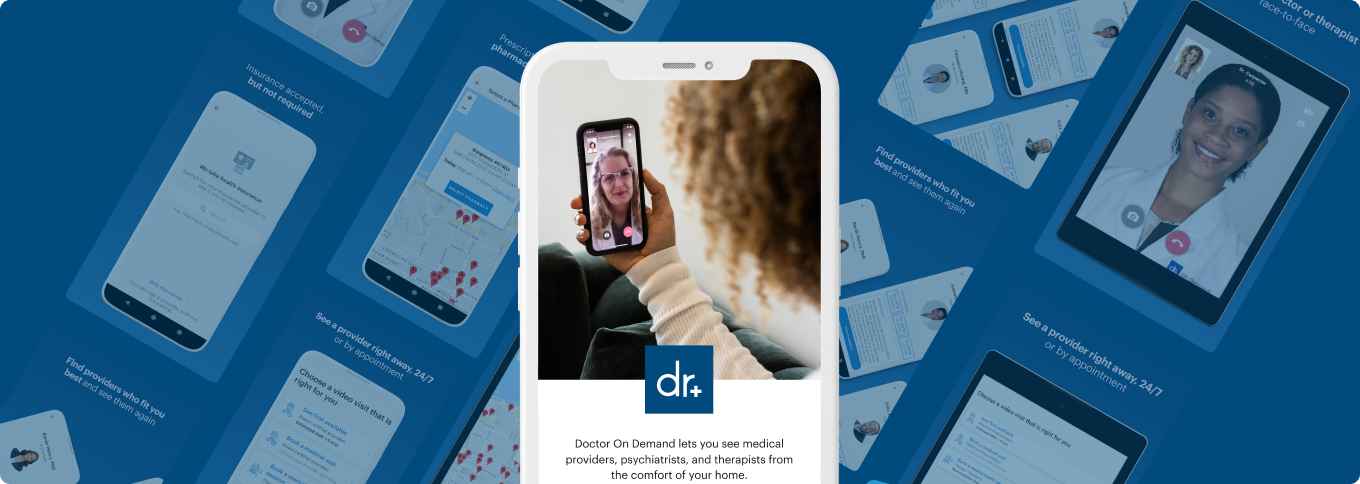
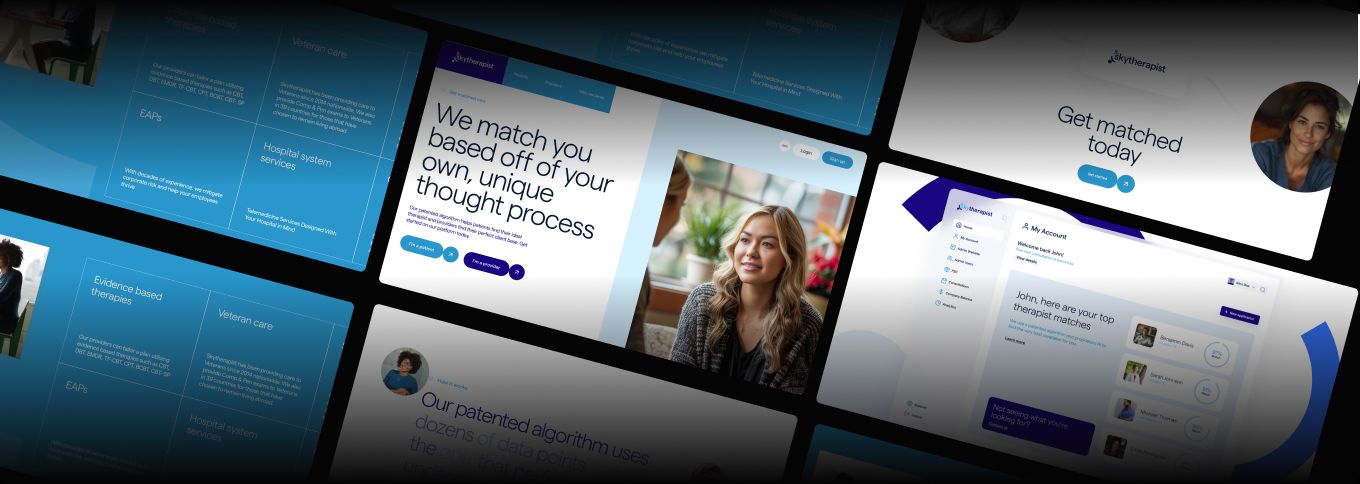
These projects demonstrate ELEKTRIK’s broader healthcare and software experience. They are not presented as Texas client engagements, local offices or guaranteed outcomes for a new product.

Questions before you start
How much does healthcare software development in Texas cost?
Scope drives cost: user roles, data sensitivity, integrations, migration, testing and operational requirements all matter. We provide a proposal that separates discovery, design, development, assessments and recurring support. Vendor licensing and third-party services are identified as separate dependencies rather than hidden in a city-specific price.
Can you build HIPAA-compliant healthcare software?
We can engineer safeguards that support an organization’s HIPAA obligations, including access controls, audit trails and secure data handling. Compliance also involves policies, agreements, risk analysis and ongoing operations. The relevant responsibilities and any independent assessment must be agreed for the engagement; software alone does not certify an organization as compliant.
Can you integrate with our EHR or existing practice system?
We assess supported APIs and interfaces, vendor access, patient identity and data mapping. FHIR or HL7 support does not automatically mean every required workflow is available. We define the supported resources and test reconciliation, errors and permissions in an approved environment before connecting live information.
Do you develop patient apps and telehealth tools?
We can build patient portals, mobile experiences and virtual-care platform workflows around an agreed use case. The care organization supplies clinical rules and reviews licensure, consent, escalation and applicable regulations. Integration and video-provider dependencies are considered before the release scope is finalized.
Will our product need FDA review?
That depends on intended use and functionality. Administrative tools and functions that may qualify as medical-device software need different assessments. Qualified regulatory reviewers should evaluate the product early; we document the intended use and engineering requirements without claiming all healthcare software is exempt or FDA approved.
Can we share patient records during the first consultation?
Please do not send identifiable patient records through the public contact form. Describe the workflow, systems and requirements instead. Any access to sensitive information must follow approved agreements, permissions and handling arrangements; testing can begin with synthetic or appropriately de-identified data.
Do you have an office in Texas?
This page describes a service area, not a physical office. We work remotely with agreed communication and meeting arrangements. Our verified office details are listed below.
Who owns the software and supports it after launch?
Source-code ownership, account access, licenses and handover responsibilities are defined in the agreement. Maintenance can cover agreed security updates, monitoring and integration changes. New features, formal assessments and third-party fees should not be assumed to be included in routine support.
Healthcare engineering references
General technical information, not clinical, legal or regulatory advice. Requirements depend on your organization, data and product.
Explore healthcare software development in Texas
Offices & service areas
Fort Lauderdale headquarters
333 Las Olas Way, #Cu-1Fort Lauderdale, FL 33301
New York office
353 Lexington Ave, Suite 400New York, NY
We also serve Sacramento, Seattle and businesses across the markets listed here. A service-area page does not indicate a physical office in that city. Start with a remote consultation to discuss your project and meeting arrangements.
Let’s scope your healthcare software.
Tell us about the workflow, target users and systems you need to connect. Please keep identifiable patient information out of your inquiry.
Contact ELEKTRIK