
Built for the way Austin businesses work
SaaS products
SaaS websites should make product value understandable before asking someone to sign up. We map use cases, product explanations and trial or demo paths to your buying process. Marketing content and the application can share a design language while keeping independent deployment and security requirements where that makes operations simpler.
Startup validation
Startup launches benefit from a disciplined first scope. We help distinguish what visitors need to understand now from what belongs in a later release, then plan conversion measurement and editable content. A focused launch creates a foundation for iteration without promising product-market fit or buying an unnecessary custom platform on day one.
AI-enabled experiences
AI features need a specific job and a clear evaluation plan. If a website needs search, an assistant or personalization, we define the approved information, failure behavior and privacy constraints first. Useful integrations support a customer decision or workflow; they are not added solely to make a website appear innovative.
Planning your Austin website
Connect the website to product learning
Define the customer action that matters now: demo requests, qualified signups or another agreed event. Analytics should distinguish meaningful outcomes from broad traffic counts, with privacy and consent handling considered. A launch can create better information for the team without claim the website alone will establish product-market fit.
Use the right integration boundary
A SaaS business may already have identity, billing and product data systems. Decide whether marketing pages need to connect to them directly or simply guide customers into the application. Shared visual design does not require sharing every deployment or exposing product internals through a content-management platform.
Evaluate any AI feature deliberately
If the scope includes an assistant or intelligent search, define the approved information, evaluation questions and what happens when the system cannot answer. Decide who owns updates and how sensitive data is handled. An AI label is not a substitute for testing whether the feature helps visitors make a useful decision.
From first scope to ongoing support
Design around the buying journey
We begin with audiences, important pages and the actions visitors need to take. Navigation, wireframes and content planning establish the structure before visual design. The result should communicate your real offer, show evidence and make inquiry paths easy to follow on desktop and mobile.
Custom development where it matters
A standard content platform can be the right choice for a straightforward site. Custom development becomes useful when your business needs specific integrations, account experiences or workflows. We evaluate the existing tools before recommending a replacement, document dependencies and keep private data separate from public content.
Search foundations and migration
Technical SEO covers crawlable pages, useful titles, self-referencing canonical URLs, sitemap entries and structured content. A redesign also needs an inventory of important existing URLs and a redirect plan. Local visibility depends on accurate business information and genuinely useful content; rankings and local-pack placement cannot be guaranteed.
Performance, accessibility and quality
We test real content, forms, navigation and integrations rather than only a static mockup. Image handling, mobile behavior, keyboard access and page speed are part of the acceptance criteria. Accessibility requirements and any formal assessment should be agreed for the project rather than treated as a blanket promise.
Maintenance after launch
Updates, backup checks, monitoring and incident escalation need named owners and clear expectations. We agree the maintenance scope, the systems it covers and how requests are prioritized. Hosting, licensing, content production and ongoing optimization are separate cost drivers that should be visible in the proposal.
What a useful proposal should include
Bring an inventory of important pages, examples of the information customers request and the systems the website needs to connect. Identify your content approvers and the person who can make final scope decisions. If the current site has valuable search traffic, gather its important URLs before discussing a migration.
The proposal should separate strategy, design, development, content work and recurring services. Agree what is included in each review, how new requirements are assessed and which milestones require your team’s approval. A budget or target date is easier to evaluate when the assumptions behind it are visible.
Before launch, define acceptance tests for navigation, forms, integrations, mobile use and agreed accessibility requirements. Assign ownership of hosting, domains, source code and third-party accounts. The handover should include the information your organization needs to operate the website, not only a login to an unfamiliar platform.
After launch, compare meaningful customer actions with your original goals and prioritize improvements deliberately. A new website is a foundation for better communication and operations, not a guarantee of demand. Content quality, sales follow-up and the usefulness of the underlying offer still matter.
Engineering experience you can inspect
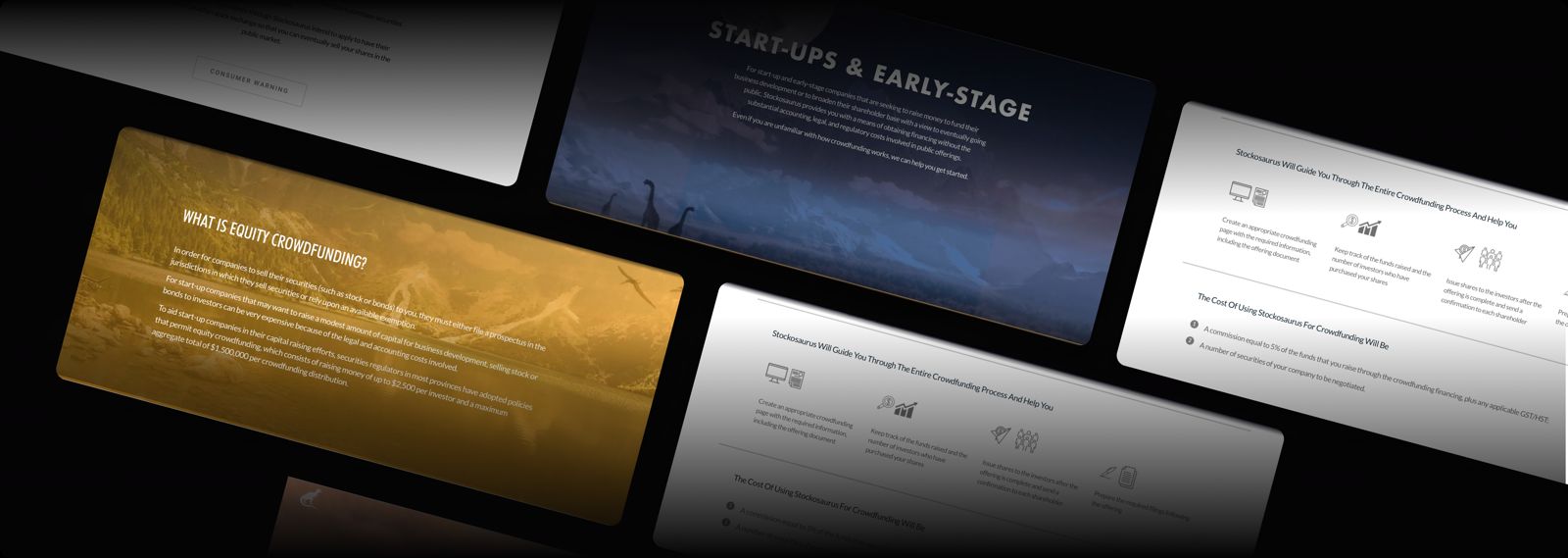
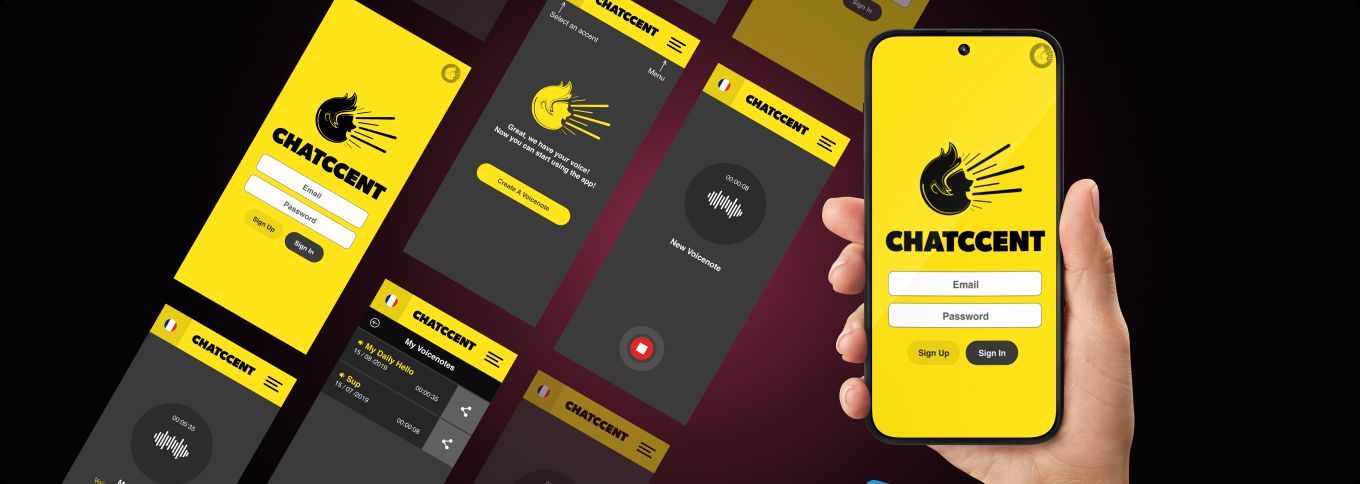
These projects illustrate ELEKTRIK’s broader software experience. They are not presented as Austin client engagements, and application work is not evidence of a local website result.

Questions before you start
How much does web design cost in Austin?
Cost follows scope more than a city label: page count, content work, integrations, design requirements and support all matter. ELEKTRIK provides a scoped proposal rather than a published city rate. Use the pricing guide below to compare market references and understand what each quote includes.
Can you handle design, SEO and maintenance together?
Yes. We can plan design and development alongside technical SEO, migration and ongoing maintenance. The proposal defines the deliverables, responsibilities and support coverage; content campaigns, hosting and paid advertising should not be assumed to be included.
Do you use templates or custom development?
We choose the approach around your needs. A standard CMS can be appropriate for editable content; a custom implementation can support specialized workflows or integrations. We explain trade-offs in ownership, maintenance and cost before selecting a platform.
Do you have an office in Austin?
This page describes a service area, not a claim of a physical office. Our listed office details are below. We can discuss your project remotely and agree working arrangements before an engagement.
How do we compare agencies and start a project?
Share your current website, audiences, essential integrations and target launch date. Ask each agency for comparable scope, portfolio evidence, code ownership and post-launch terms. We begin with a discussion of fit and requirements rather than ask you to commit to an undefined build.
Can you improve an existing website instead of replace it?
We can assess the existing website before recommending a rebuild. Useful inputs include the platform, access arrangements, recurring costs, known errors and the pages or workflows your team struggles to maintain. Sometimes focused changes to content, navigation, forms or performance address the immediate problem. A replacement becomes worth considering when the existing architecture cannot support important requirements or creates disproportionate maintenance work. The recommendation should explain that trade-off rather than assume a new site is always necessary.
What happens to our existing URLs and search visibility?
A redesign should begin with an inventory of existing pages, documents and important inbound links. We map retained and replacement content, define redirects for moved pages and check the destination URLs before launch. Titles, descriptions, canonical references and sitemap entries need to reflect the finished structure. Redirects cannot guarantee that search performance will remain unchanged, but a deliberate migration avoids preventable broken links and gives both visitors and crawlers a coherent path through the new website.
Who owns the website and handles updates after launch?
Ownership and access should be specified in the agreement, including the source code, content, domains and third-party accounts. Licensed software and external services may have separate terms and renewal costs. We also agree which updates your editors can make and which require development, along with training or documentation included in the handover. If maintenance is part of the engagement, its coverage and escalation process are defined explicitly; it should not be confused with unlimited new features or content production.
Offices & service areas
Fort Lauderdale headquarters
333 Las Olas Way, #Cu-1Fort Lauderdale, FL 33301
New York office
353 Lexington Ave, Suite 400New York, NY
We also serve Sacramento, Seattle and businesses across the markets listed here. A service-area page does not indicate a physical office in that city. Start with a remote consultation to discuss your project and meeting arrangements.
Let’s scope your next website.
Bring your existing site or a new idea. We’ll discuss your audience, essential functionality and the delivery approach that fits your business.
Contact ELEKTRIK