
Most AI projects stall between the demo and production. We build the unglamorous parts — data pipelines, evaluation harnesses, guardrails, observability and cost controls — so your AI features stay accurate and affordable after launch.
We work with your existing stack and data, not against it: retrieval over your own documents, agents wired into your internal systems, and models chosen on measured quality instead of hype.
Our teams have delivered AI and data products for regulated environments — healthcare, financial services and enterprise operations — where a wrong answer has consequences. That shapes how we build: every release is gated on an evaluation suite, every model call is logged, and every automated decision has a human path around it.
LLM & agent development
Assistants, copilots and multi-step agents with tool use, function calling and human-in-the-loop review.
RAG & knowledge systems
Ingestion, chunking, embeddings and hybrid search over your documents, tickets and codebases.
Computer vision & ML
Detection, classification and forecasting models trained and deployed on your data.
Evaluation & guardrails
Golden datasets, regression evals, PII redaction, prompt-injection defence and audit trails.
MLOps & cost engineering
Model routing, caching, batching and monitoring to keep latency and token spend predictable.
AI strategy & readiness
Data audits, opportunity mapping and a build-vs-buy view before you commit engineering budget.
Typical ai implementation & development engagements
Support deflection
Answer bots grounded in your help centre and ticket history, with escalation when confidence drops.
Document intelligence
Extraction, classification and summarisation across contracts, claims, clinical notes and statements.
Internal copilots
Assistants that query your own systems — CRM, ERP, data warehouse — through governed tools.
Search that understands intent
Hybrid semantic and keyword search replacing keyword-only site and product search.
Forecasting & anomaly detection
Demand, risk and fraud models running on your operational data.
Sales & revenue intelligence
Lead scoring, call summarisation and CRM enrichment powered by LLMs.
Evaluation before enthusiasm
We define what 'good' means numerically in week one, so quality is provable, not anecdotal.
Regulated-industry defaults
PII handling, retention, regional processing and audit logging designed in, not retrofitted.
Cost you can forecast
Routing, caching and batching keep unit economics viable at scale.
You keep the system
Your repos, your cloud, documented handover and optional team upskilling.
Model-agnostic architecture
Swap providers or self-host as pricing and quality shift, without a rewrite.
Shipping speed with guardrails
Working prototypes in days, hardened for production without months of rework.
- Healthcare
- Financial services
- Automotive
- Media
- Logistics
- SaaS
- 01Use-case triageWe score candidate use cases on value, data readiness and risk, then pick the one worth shipping first.
- 02Prototype with evalsA working prototype plus an evaluation set, so quality is a number rather than an opinion.
- 03Harden & integrateAuth, logging, rate limits, fallbacks and integration into your product surfaces.
- 04Operate & improveMonitoring, drift detection and iteration cycles against real user behaviour.
- 05Scale & optimise costModel routing, caching and batching tuned as usage and traffic grow.
- 06Expand the roadmapNew use cases added on the same evaluation and governance foundation.
Do we need our own ML team?
No. We can deliver end-to-end and hand over documented systems, or embed alongside your engineers and upskill them as we go.
Which models do you use?
Whatever measures best for your task and constraints — frontier APIs, open-weight models you host, or a routed mix of both.
How do you handle sensitive data?
Data minimisation, redaction, regional processing and no-training agreements; for regulated workloads we can keep inference inside your own cloud.
How much does an AI project cost?
A scoped production pilot typically lands in the range of a small dedicated team for two to three months. We give a fixed scope and estimate after a short discovery.
How do you stop hallucinations?
Grounding in retrieved sources, strict output schemas, refusal paths, confidence thresholds and regression evals on every release.
Can you improve an AI feature we already shipped?
Frequently what we do: measure current quality, find the failure modes, then fix retrieval, prompts, routing or the data behind them.
AI Implementation & Development in production

Forecasting · Segmentation · MLOps
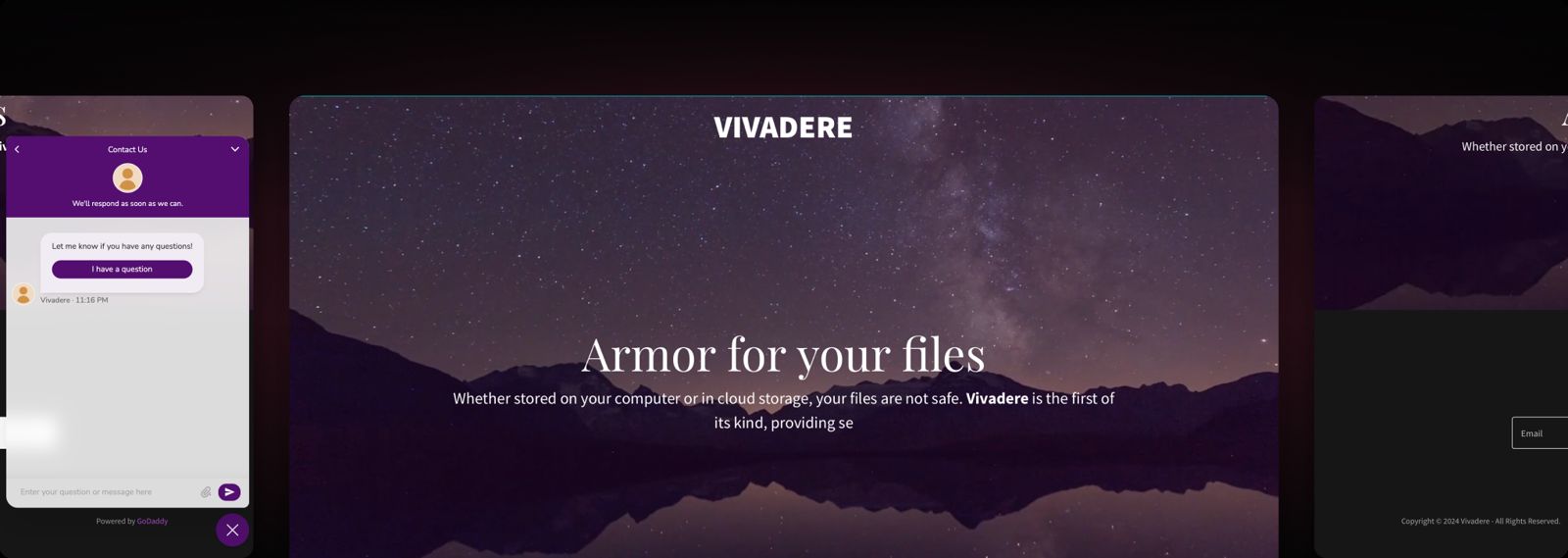
Facial recognition · Biometrics · Security
Gen AI · Google Cloud · Chatbot

Gen AI · Compliance · Analytics
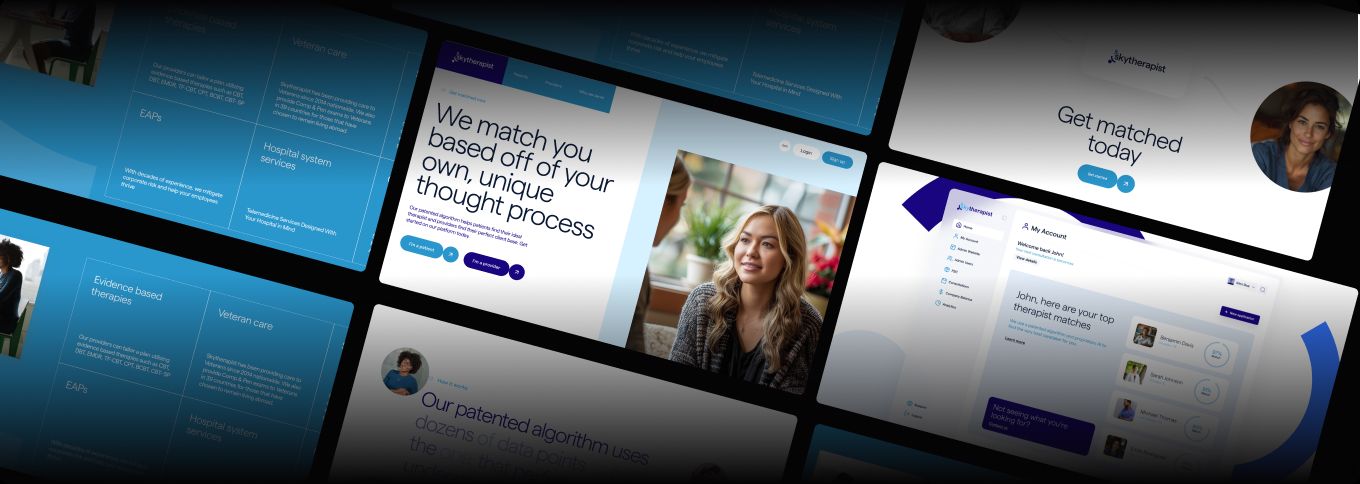
AI matching · Web · Telehealth
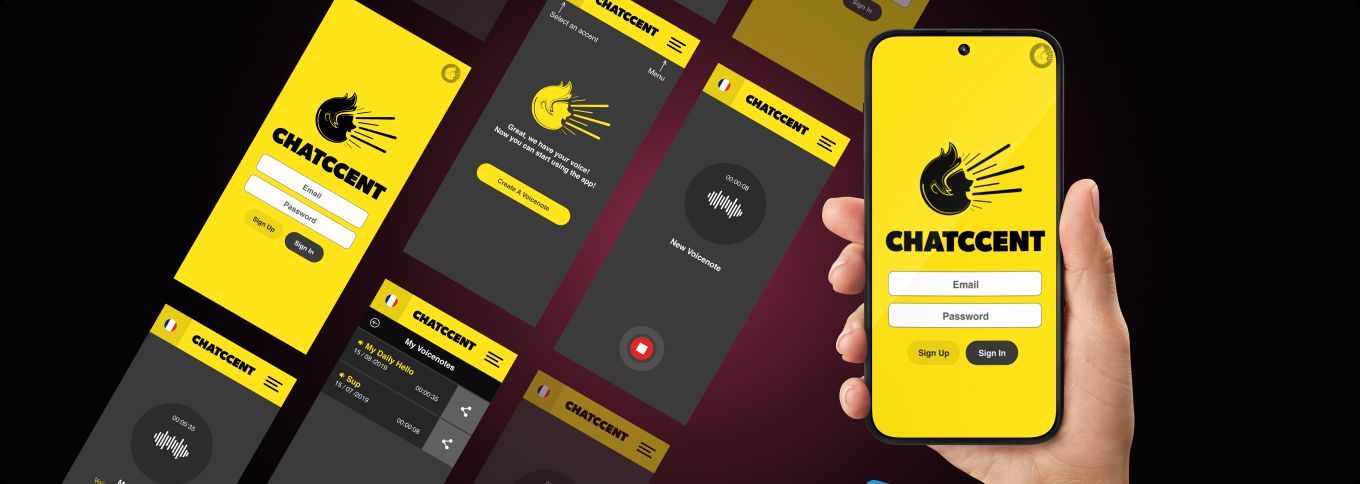
iOS · Android · Real-time
Ship an AI feature that holds up in production.
Bring us a use case and your data reality — we'll come back with a scoped path to a shipped, measured feature.