
Healthcare data lives in EHRs, lab systems, imaging archives, billing platforms and spreadsheets. We connect them so clinical and operational teams stop copying data between screens.
We design interfaces with real safety thinking: idempotent messaging, reconciliation, terminology mapping, traceability and documentation that stands up to quality and regulatory review.
Integration failures in healthcare are rarely loud. A dropped result, a mismatched identifier or a silently retried order can reach a patient, so our interfaces are built to detect, surface and recover rather than to fail quietly.
EHR/EMR integration
FHIR APIs, HL7 v2 interfaces, SMART on FHIR apps and vendor-specific adapters.
Interoperability layers
Integration engines, event pipelines, terminology mapping and master-data reconciliation.
Clinical workflow software
Order management, care coordination, referrals and internal clinical tooling.
SaMD & regulated builds
IEC 62304-aligned lifecycle, risk management and documentation support.
Compliant cloud infrastructure
Segmented environments, encryption, access review and monitoring.
Clinical data platforms
Warehouses, de-identification pipelines and reporting for quality and research teams.
Typical healthcare systems integration engagements
Results and orders flow
Lab, imaging and order interfaces that reconcile instead of drifting.
Patient identity resolution
Matching across systems with explicit review queues rather than silent merges.
Digital front door
Scheduling, registration and record access wired into the source systems.
Device and SaMD data
Regulated pipelines from devices and algorithms into the clinical record.
Quality and payer reporting
Extracts and dashboards built from trustworthy, mapped clinical data.
Legacy system bridging
File drops, DB views and interface engines connecting systems with no modern API.
Safety-case thinking
Failure modes, reconciliation and alerting agreed before we write the interface.
Vendor reality, not brochureware
We've worked around closed systems with file drops and DB views when APIs don't exist.
Regulatory artefacts included
IEC 62304 lifecycle documentation your quality team can actually submit.
Operable by your team
Runbooks, dashboards and alerting handed over with the system.
Standards depth
HL7 v2, FHIR R4, DICOM and terminology mapping handled fluently, not learned on the job.
Traceable by design
Every message, transform and decision logged for quality and regulatory review.
- Hospital systems
- Digital health
- Medical devices
- Labs & diagnostics
- Payers
- 01Systems inventoryEvery source, message type and owner mapped, with data quality assessed.
- 02Interface designContracts, error handling, reconciliation and safety cases agreed up front.
- 03Build & validateTest harnesses against sandbox and de-identified production-like data.
- 04Cutover & operatePhased go-live, monitoring, alerting and runbooks for your team.
- 05Reconcile & auditOngoing reconciliation checks and audit-trail review after go-live.
- 06Extend the networkAdditional systems, sites and data flows onboarded on the proven pattern.
We're on a closed legacy system — now what?
We've integrated plenty of them: vendor interface engines, HL7 feeds, database views or file drops, whichever is available and supportable.
Can you support a regulatory submission?
We can produce and maintain the software lifecycle artefacts your quality team needs under IEC 62304.
How do you avoid duplicate patient records?
Deterministic and probabilistic matching with explicit review queues rather than silent merges.
How long does an EHR integration take?
A single well-documented FHIR interface can take weeks; multi-system programs with vendor coordination usually run several months.
Do you work with Epic and Cerner?
Yes, through their published integration paths, plus interface engines such as Mirth and aggregators like Redox where appropriate.
Can you de-identify data for analytics or AI?
Yes. We build de-identification and minimisation pipelines with documented rules and review before any secondary use.
Healthcare Systems Integration in production
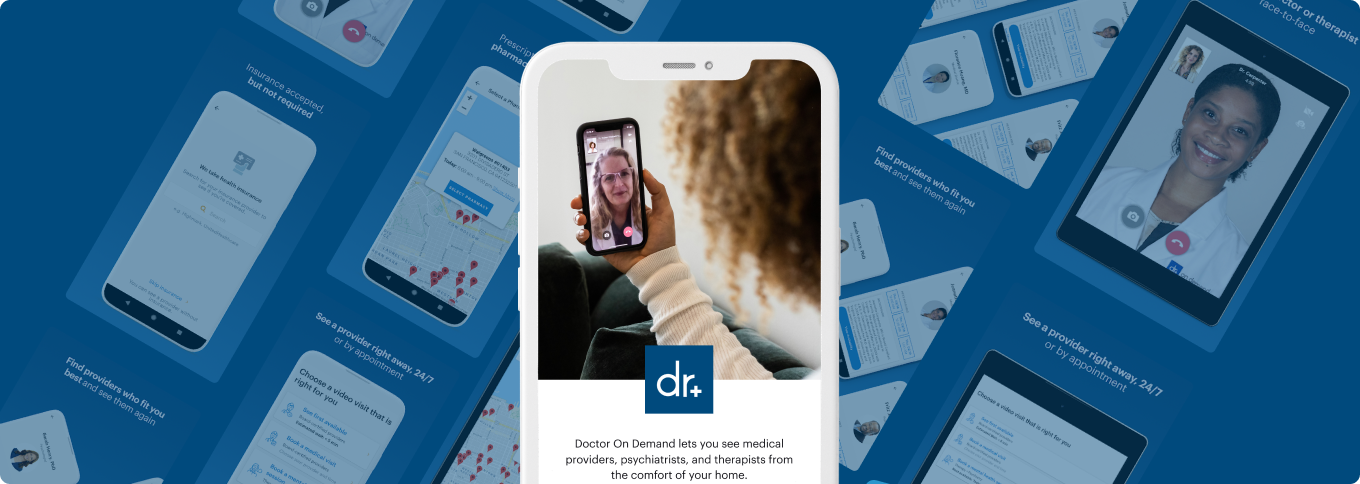
iOS · Android · Web · Video care

Gen AI · Compliance · Analytics
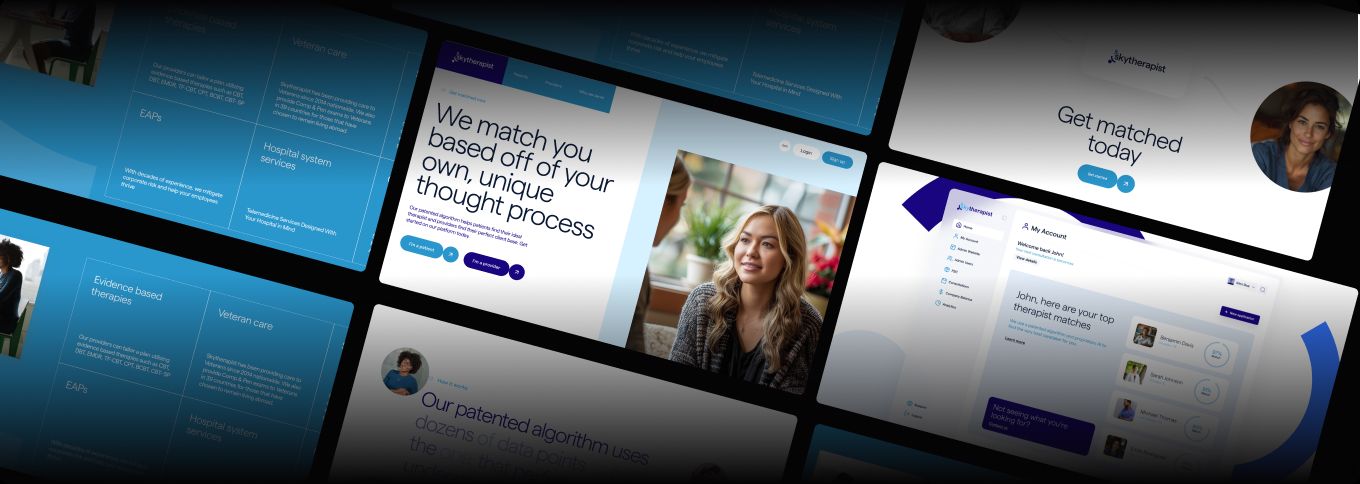
AI matching · Web · Telehealth
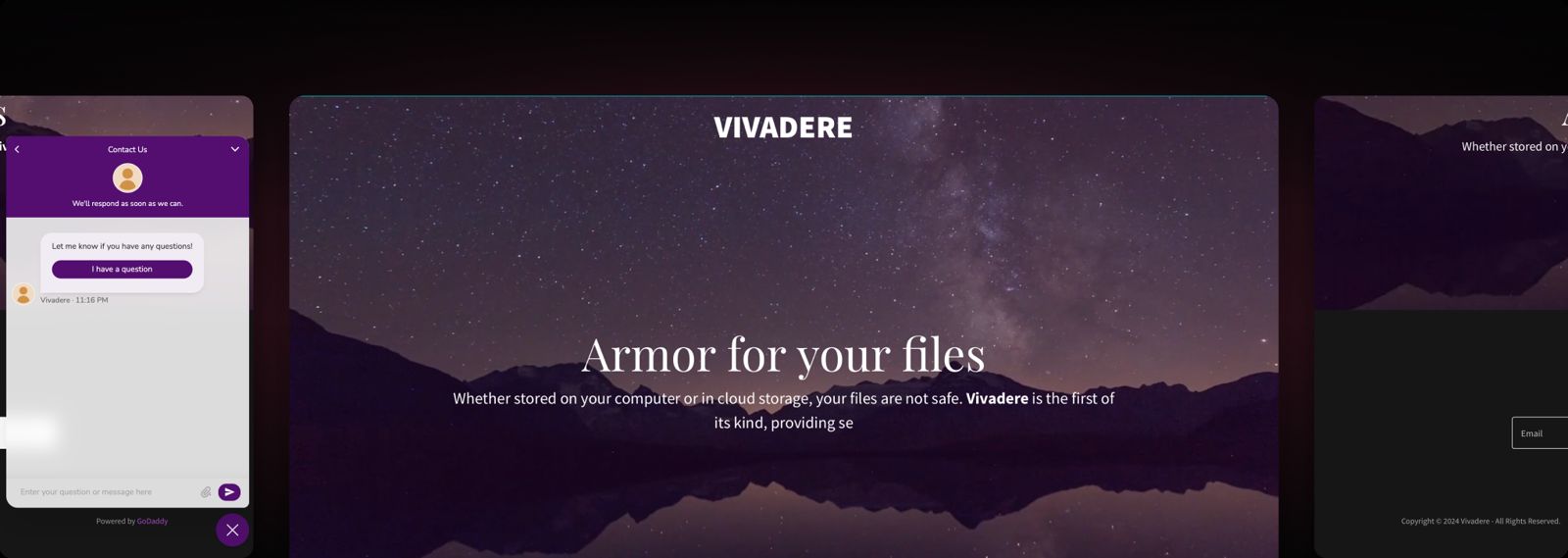
Facial recognition · Biometrics · Security

Gen AI · Google Cloud · Chatbot
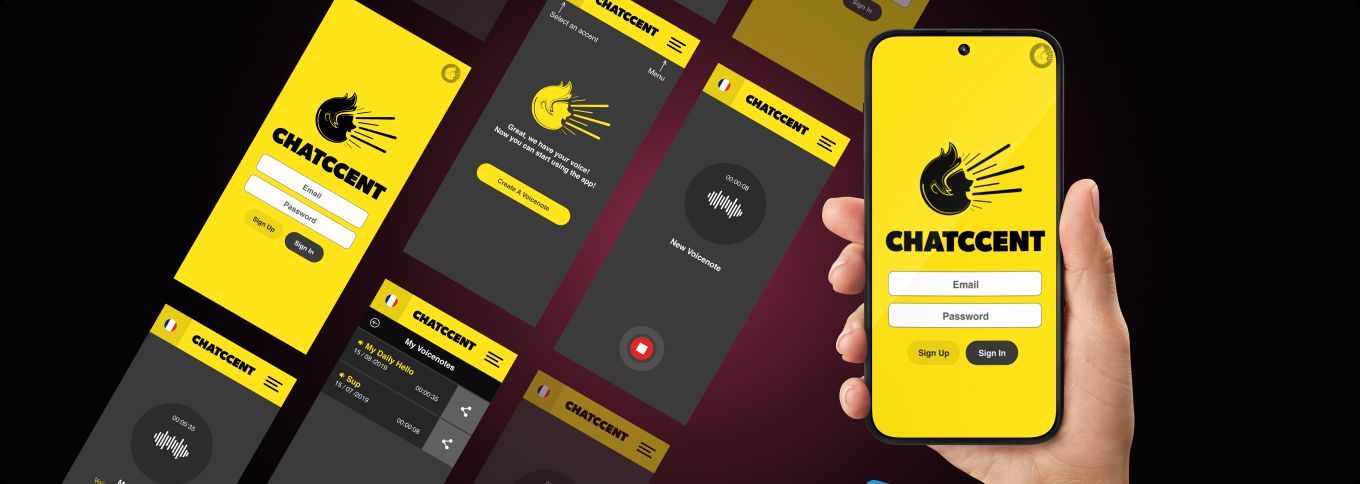
iOS · Android · Real-time
Connect your clinical systems properly.
Tell us which systems need to talk. We'll map the interfaces, risks and effort.