Remote patient monitoring lets care teams follow patients between visits using readings from blood pressure cuffs, glucose meters, scales, pulse oximeters and wearables. The software decides whether that data helps clinicians or buries them.
We build custom remote patient monitoring software: patient apps for setup and readings, device and wearable data ingestion, alert rules and triage queues for clinicians, care-plan tracking and integration with your EHR.
Our healthcare teams bring experience across telemedicine, EHR integration and HIPAA-aligned cloud infrastructure, so monitoring fits into the rest of your digital care rather than becoming another separate system.
Related healthcare work
Our case studies don't include a standalone remote patient monitoring product. These are the healthcare platforms our teams have worked on that share the same building blocks: patient apps, clinician workflows, protected data and EHR integration.
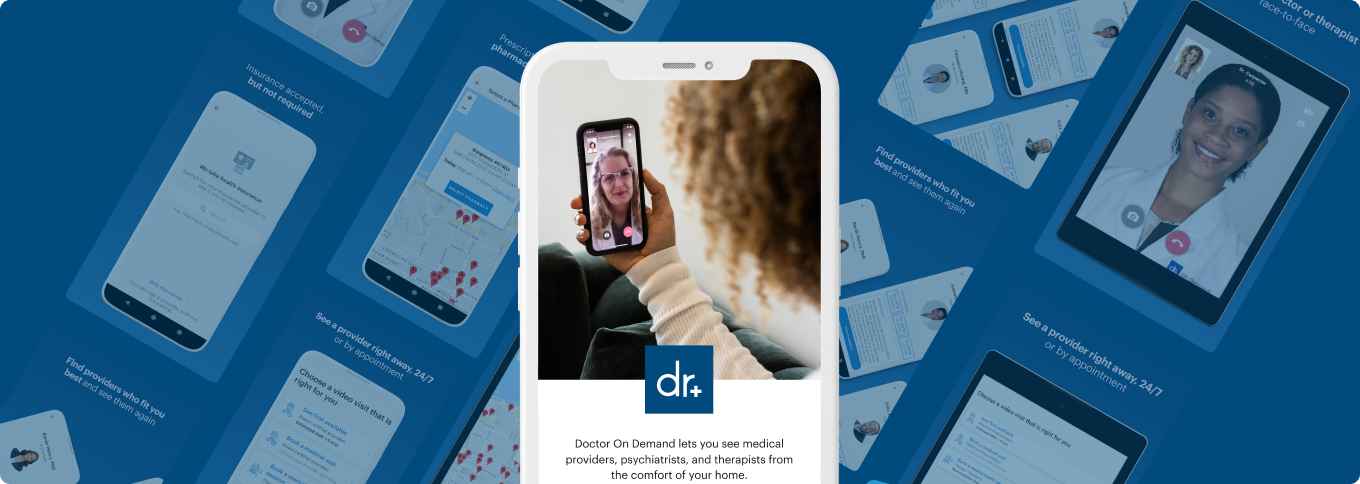
Telemedicine platform & mobile app
ELEKTRIK team members worked on a national telemedicine platform covering urgent, chronic and preventive care, with native apps, HIPAA-aligned video, scheduling and EHR integration.
Read the Doctor on Demand case study →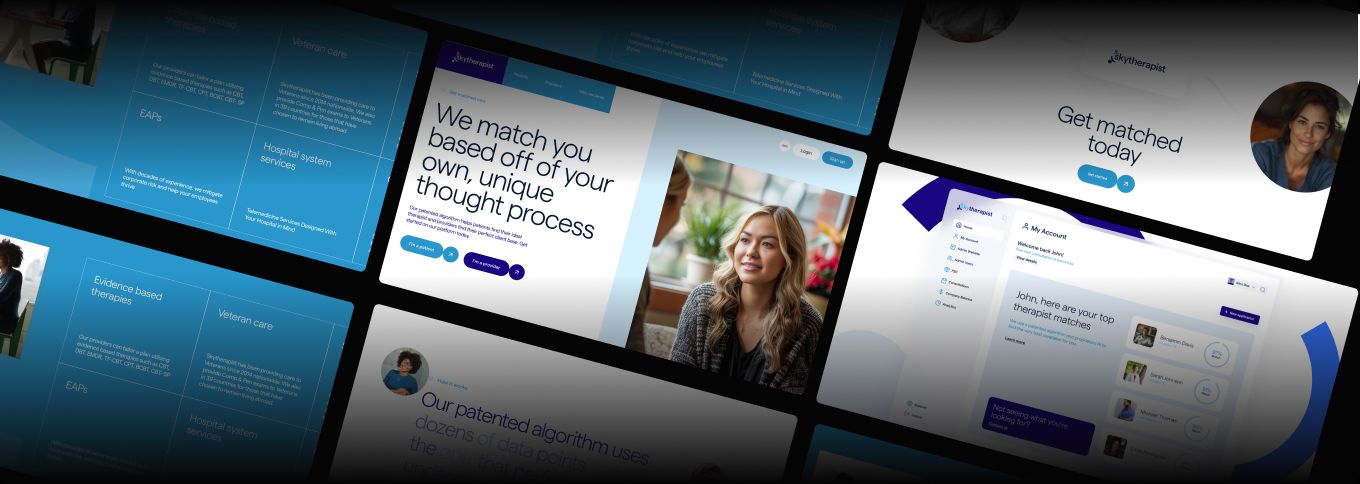
AI-powered patient–provider matching platform
A patient–provider platform that uses data about patients and providers to recommend care, with a journey simple enough for first-time patients.
Read the Sky Therapist case study →Patient apps
Onboarding, device pairing, readings, reminders and secure messaging on iOS and Android.
Device & wearable integration
Bluetooth devices, cellular hubs and vendor cloud APIs feeding one data pipeline.
Clinical alerts & triage
Rules agreed with your care team, per-patient thresholds and review queues.
Clinician dashboards
Patient lists, trends, notes and follow-up tasks in one place.
EHR integration
Readings, alerts and notes delivered to the EHR through FHIR or HL7 v2.
Compliance engineering
Access control, encryption, audit logging and HIPAA-aligned architecture.
Typical remote patient monitoring engagements
Hypertension programs
Blood pressure readings with thresholds and clinician follow-up.
Diabetes management
Glucose data, trends and care-plan check-ins.
Heart failure monitoring
Weight and symptom tracking to catch changes early.
Post-discharge follow-up
Monitoring after a hospital stay to support recovery at home.
Chronic care management
Ongoing readings, questionnaires and asynchronous clinician review.
Digital health products
Monitoring platforms built to sell to providers, payers or employers.
Clinical workflow first
We design alerts and queues with clinicians before building pipelines.
Healthcare delivery experience
Our teams have built telemedicine and clinical integration products in production.
Interoperability by default
FHIR and HL7 v2 planned from the first sprint.
Security in the architecture
Identity, permissions, encryption and audit logs designed in.
Mobile and backend together
Patient apps, device integration and clinician tools from one team.
Built for handover
You keep the code, infrastructure and documentation.
How to plan remote patient monitoring software
Remote patient monitoring succeeds or fails on clinical workflow, not on the dashboard. Use these questions with any remote patient monitoring software partner, including us.
Start with the clinical program
Define which patients are monitored, which readings matter, who reviews them and how often. Hypertension, diabetes, heart failure and post-discharge programs each need different measurements, thresholds and follow-up.
- Which conditions and patient groups is the program for?
- Which readings trigger an alert, and who responds?
- How quickly must each type of alert be reviewed?
Choose devices with the data in mind
Blood pressure cuffs, glucose meters, scales, pulse oximeters and wearables each deliver data differently — through Bluetooth to a phone, through a cellular hub or through a vendor's cloud API. Decide early which devices you will support and how their data reaches your platform.
Design alerts that clinicians trust
Too many alerts and clinicians stop looking; too few and patients are missed. Build alert rules and triage queues with your care team, let them adjust thresholds per patient and record every review for follow-up.
Integrate with the EHR
Clinicians shouldn't have to check another system. Plan how readings, alerts and notes reach the EHR — usually through FHIR or HL7 v2 — and how long the EHR vendor's access process takes.
Plan privacy, billing records and support
Monitoring data is protected health information, so access control, encryption, audit logs and Business Associate Agreements apply. Programs that bill for monitoring also need accurate records of readings and clinician time; confirm the requirements with your billing and compliance advisers. Patients will need help setting up devices, so plan support from day one.
- Virtual care providers
- Hospital systems
- Physician practices
- Digital health
- Payers
- Medical devices
- 01Program & workflow designPatients, readings, thresholds and responsibilities agreed with clinicians.
- 02Device & data planSupported devices and how their data reaches the platform.
- 03Compliance-first architectureAccess, encryption, retention and audit logging designed up front.
- 04Build & pilotA small patient group and care team test the full loop.
- 05Integrate & scaleEHR integration, more devices and more patients.
- 06Operate & improveAlert tuning, monitoring and new programs over time.
What is remote patient monitoring software?
Software that collects health readings from patients at home — through connected devices and wearables — and turns them into trends, alerts and follow-up tasks for their care team.
Can you build custom remote patient monitoring software?
Yes. We build patient apps, device and wearable integrations, alert rules, clinician dashboards and EHR integration around your clinical program.
Which devices can you integrate?
Bluetooth devices through the patient's phone, cellular hubs and devices that provide data through a vendor's cloud API, as well as Apple HealthKit and Google Health Connect where appropriate. We confirm the device list during discovery.
Can monitoring data go into our EHR?
Yes. We deliver readings, alerts and notes to the EHR through FHIR or HL7 v2, depending on what your EHR vendor supports.
Is the software HIPAA compliant?
We build HIPAA-aligned technical controls — access control, encryption, audit logging — and sign BAAs where our team handles protected health information. Compliance remains a joint program with your organization.
Do you help with RPM billing?
We can record readings, monitoring days and clinician time in the way your billing team needs. The billing rules themselves should be confirmed with your billing and compliance advisers.
How long does it take to build?
A focused pilot with one program, a small set of devices and a clinician dashboard commonly takes a few months. We provide a roadmap after discovery.
Healthcare guides and related services
- The HIPAA-Compliant App Development ChecklistThe checklist for apps that handle health data.
- HL7 vs FHIR: A Practical Integration Guide for EHR ProjectsHow monitoring data reaches the EHR with HL7 v2 and FHIR.
- Healthcare App Development Cost: What Drives the BudgetWhat drives the budget of a healthcare app.
- TelemedicineVideo visits and virtual care alongside monitoring.
- Healthcare Systems IntegrationFHIR, HL7 v2 and EHR vendor integrations.
- Healthcare Software DevelopmentCustom patient apps and clinician tools.
Build monitoring your clinicians will use.
Tell us about the program, the patients and the devices. We'll map the workflow, integrations and compliance path.