Off-the-shelf software works until your business stops fitting it. Then teams end up copying data between tools, working around missing features and paying for licences that only cover half the job. Custom software development replaces those workarounds with a system built for your users, data and processes.
We design and build complete products: web platforms and portals, internal tools and dashboards, mobile apps, the backends and APIs behind them, and the integrations that connect them to the rest of your business.
Every engagement starts by understanding the workflow and deciding what to build, what to integrate and what to leave to existing products. Then we ship in short cycles, so you see working software early and can change direction before the budget is spent.
Custom platforms we've built
Each of these case studies needed software built around a specific business: its users, its transactions and its day-to-day operations.

Mobile and web platform for online gaming
Native iOS and Android apps, a responsive web platform and custom backend systems for user accounts, game integration and transactions, with secure payment gateways for deposits and withdrawals.
Read the Arena Casino case study →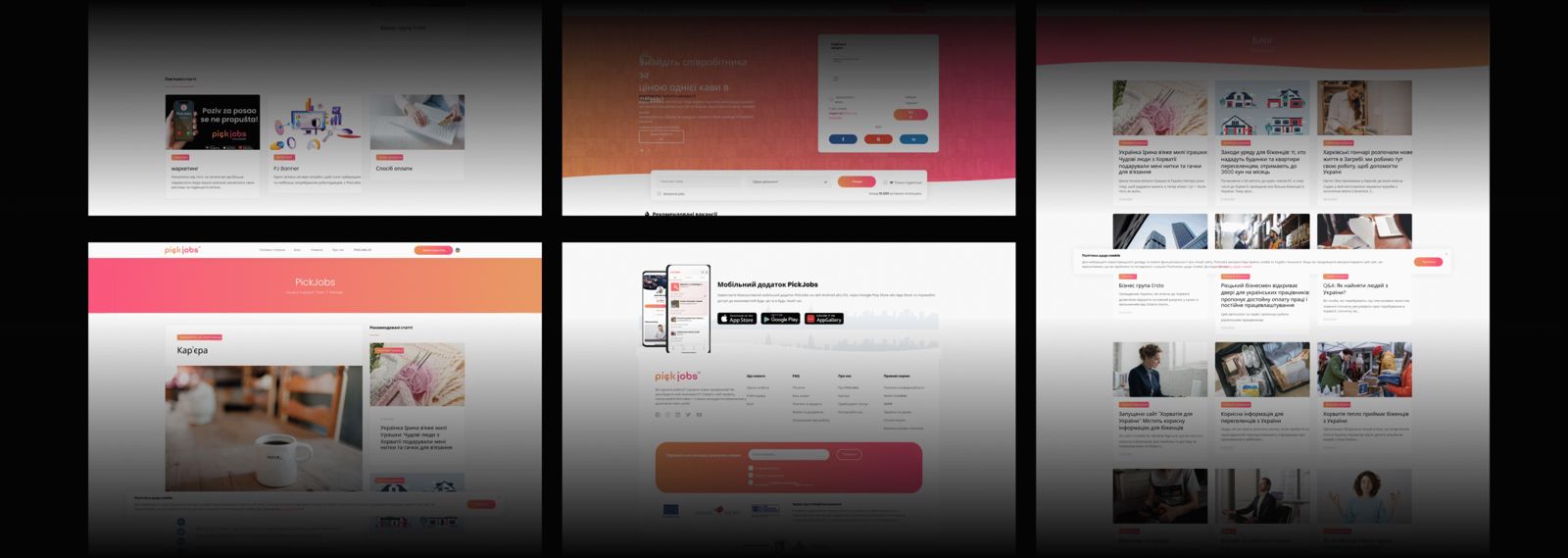
Job search platform with web and mobile apps
A job search platform with a custom backend for job management, employer dashboards and application tracking, plus web and native mobile apps with feature parity.
Read the Pick Jobs case study →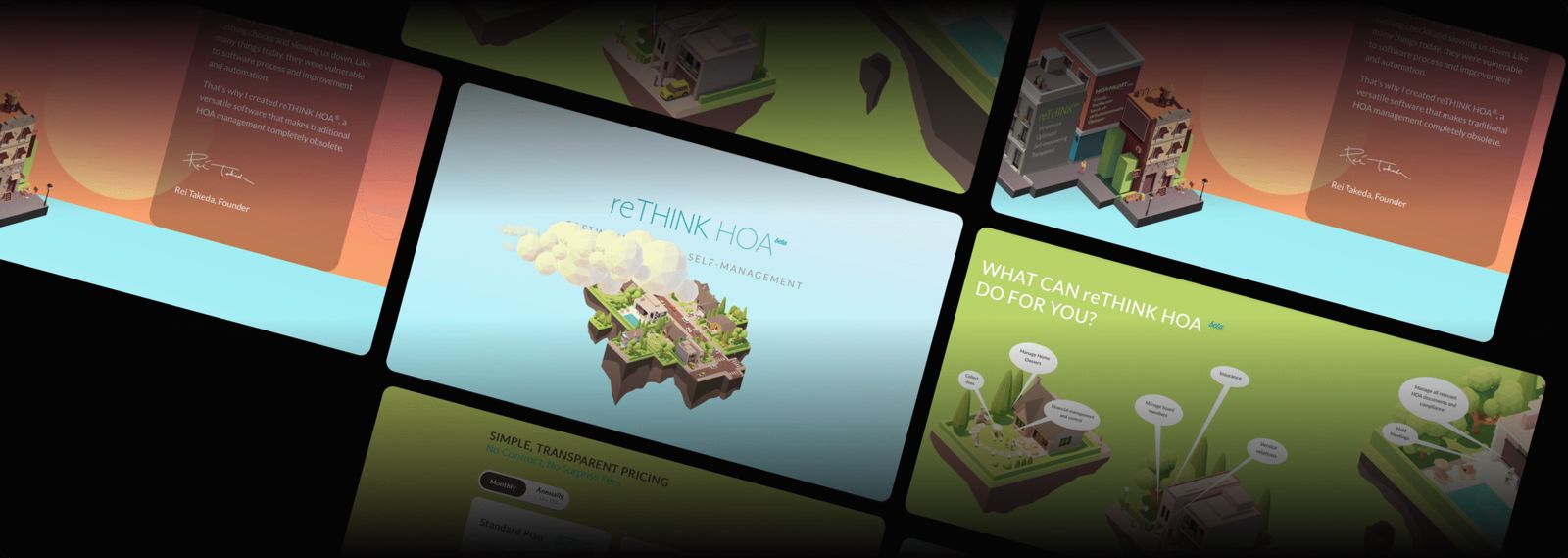
Digital platform for HOA community management
A community management platform with modules for announcements, dues collection, voting and event calendars, structured around how HOA boards actually make decisions.
Read the ReTHINK HOA case study →Web platforms & portals
Customer portals, marketplaces, booking and account platforms built in TypeScript and React.
Internal tools & dashboards
Operations consoles, admin panels and reporting that replace spreadsheets and manual steps.
Backends & APIs
Services, data models and APIs that your web, mobile and partner systems can depend on.
Systems integration
Connections to payment providers, CRMs, ERPs, identity providers and industry platforms.
Legacy modernization
Incremental replacement of fragile or outdated systems without an all-at-once rewrite.
Product discovery & design
Workflow mapping, scope, UX and prototypes validated before the full build begins.
Typical custom software development engagements
Replacing spreadsheet workflows
Turning manual, error-prone processes into software with permissions, history and reporting.
Customer-facing platforms
Portals and apps where customers book, buy, track or manage their accounts.
Marketplaces
Two-sided platforms with listings, search, matching, payments and admin tools.
Operations software
Internal tools for scheduling, dispatch, approvals and case management.
Connecting disconnected systems
One experience on top of several existing tools that don't talk to each other.
Modernizing an ageing product
Moving a legacy application to a maintainable stack step by step.
One team for the whole product
Web, mobile, backend, integrations and cloud handled by the same delivery team.
Workflow first
We learn how the work is really done before deciding what the software should do.
Build or buy, honestly
We recommend existing products where they fit and build only what gives you an advantage.
Working software early
Short cycles with demos keep scope, budget and priorities visible.
Built for handover
Documented architecture, tests and pipelines your team can run without us.
Long-term partner
We can stay with the product through support, updates and new features.
How to choose a custom software development company
Custom software is a long-term asset, so the partner matters as much as the price. Use these questions with any custom software development company, including us.
Decide whether custom software is the right answer
Custom software development services are worth paying for when your workflow is part of your advantage, when several systems have to work as one, or when the software is the product you sell. For standard needs like accounting, email or basic CRM, an existing product is usually cheaper and faster. A good partner will tell you which parts to build and which to buy.
Ask how they discover requirements
Most custom projects that overrun do so because the real workflow wasn't understood before building. Ask how the team learns your process, who they talk to and how they turn that into a scope you can approve.
- Who will you interview before writing the scope?
- How do you decide what goes into the first release?
- How will we see working software during the project, not just at the end?
Check the team that will do the work
Meet the people who will actually design and build the software, not only the sales team. Ask what similar systems they have built, and whether one team can cover the web app, mobile app, backend, integrations and cloud — or whether parts will be handed to subcontractors.
Plan integrations and data early
Custom software rarely lives alone. It has to exchange data with payment providers, CRMs, ERPs, identity systems or industry platforms. List these early, confirm how each one can be accessed and plan how existing data will be migrated.
Own the code and plan for life after launch
Make sure your company owns the source code, cloud accounts and documentation from the first day. Agree who supports the software after launch, how updates and security fixes are handled and how new features are planned.
- Healthcare
- Financial services
- Real estate & HOA
- HR tech
- Media
- SaaS
- 01Discovery & workflow mappingUsers, processes, data, integrations and constraints mapped with your team.
- 02Scope & architectureA first release, a phased roadmap and an architecture you approve before build.
- 03Design & prototypeKey screens and flows tested with real users before development accelerates.
- 04Build in short cyclesWorking software every sprint, with automated tests and regular demos.
- 05Launch & migrateData migration, training, monitoring and a controlled go-live.
- 06Support & growUpdates, security fixes and new features planned with you after launch.
What do custom software development services include?
Discovery and workflow mapping, product design, development of web, mobile and backend software, integrations with your existing systems, testing, launch, data migration and ongoing support.
When is custom software better than an off-the-shelf product?
When your workflow is a competitive advantage, when several systems need to work as one, or when the software is the product you sell. For standard needs that match an existing product, buying is usually cheaper and faster.
How much does custom software development cost?
It depends on scope, the number of user types, integrations, data migration and compliance needs. We define the smallest credible first release and give a phased estimate after discovery.
How long does it take to build custom software?
A focused first release commonly takes a few months; larger platforms are delivered in phases. You see working software throughout, not only at the end.
Can you take over or modernize existing software?
Yes. We start with an audit of the code, infrastructure and data, then agree whether to stabilize, extend or replace it step by step.
Who owns the software?
You do — the source code, cloud accounts and documentation are yours from the first commit.
Do you work with start-ups and large companies?
Yes. Our clients range from start-ups to Fortune 500 brands, and we adapt the delivery process to your size, governance and compliance needs.
Related services and reading
- Website Development, Maintenance, and SEO ServicesCustom websites and web applications with technical SEO.
- Mobile AppsiOS and Android apps on the same backend.
- Cloud, DevOps & Platform EngineeringThe cloud, pipelines and monitoring your software runs on.
- AI Implementation & DevelopmentAI features built into your custom platform.
- Custom AI Development vs Off-the-Shelf AI Tools: What Should Your Business Choose?How to decide between building custom and buying off-the-shelf.
- How Artificial Intelligence Is Reshaping the Future of Software DevelopmentHow AI is changing the way software is planned, built and tested.
Custom Software Development in production
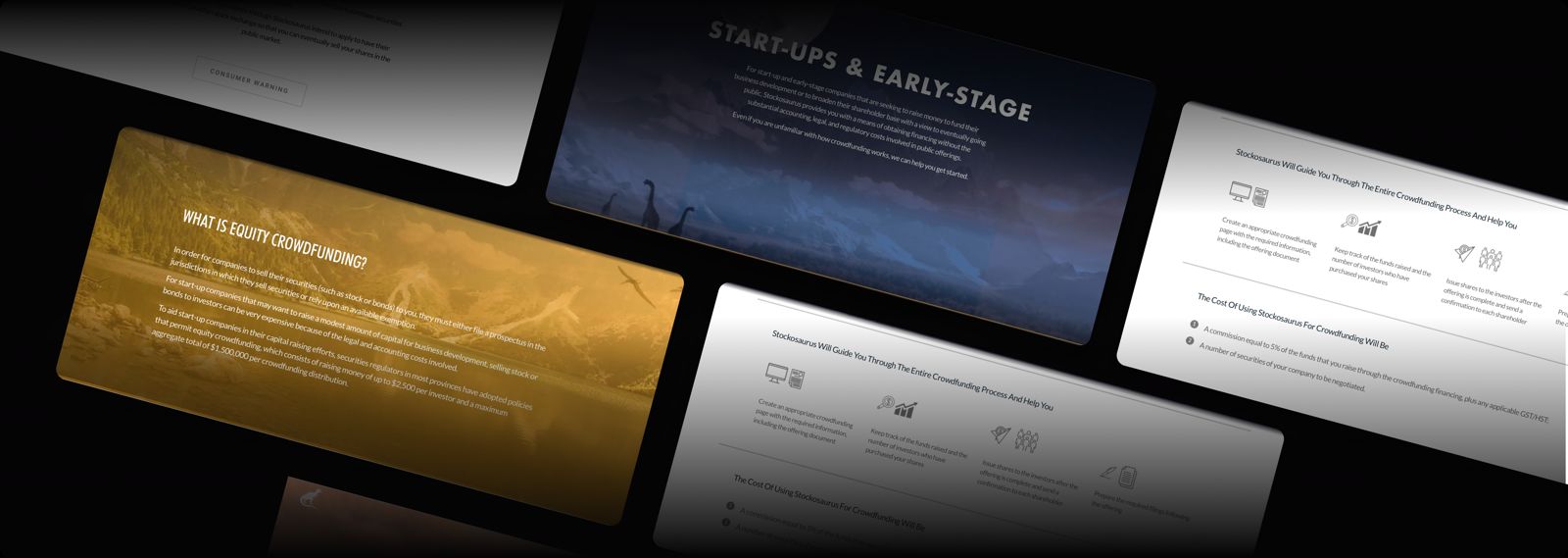
Web · KYC · Compliance
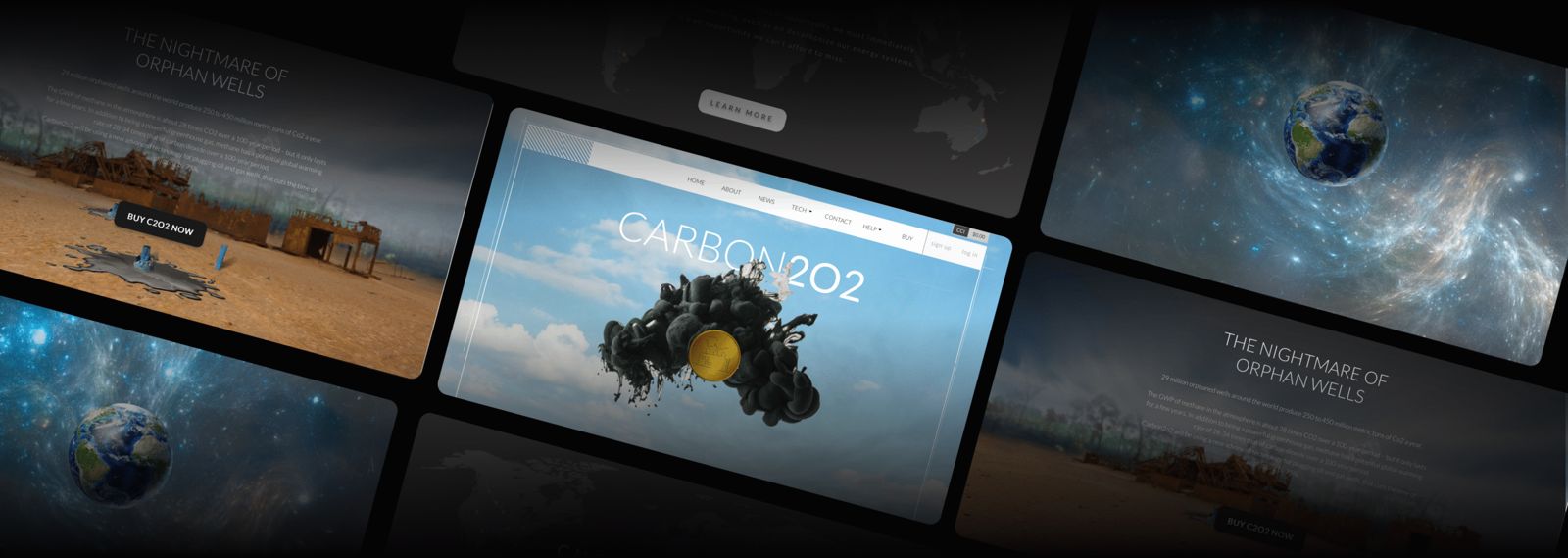
Blockchain · IoT · Web
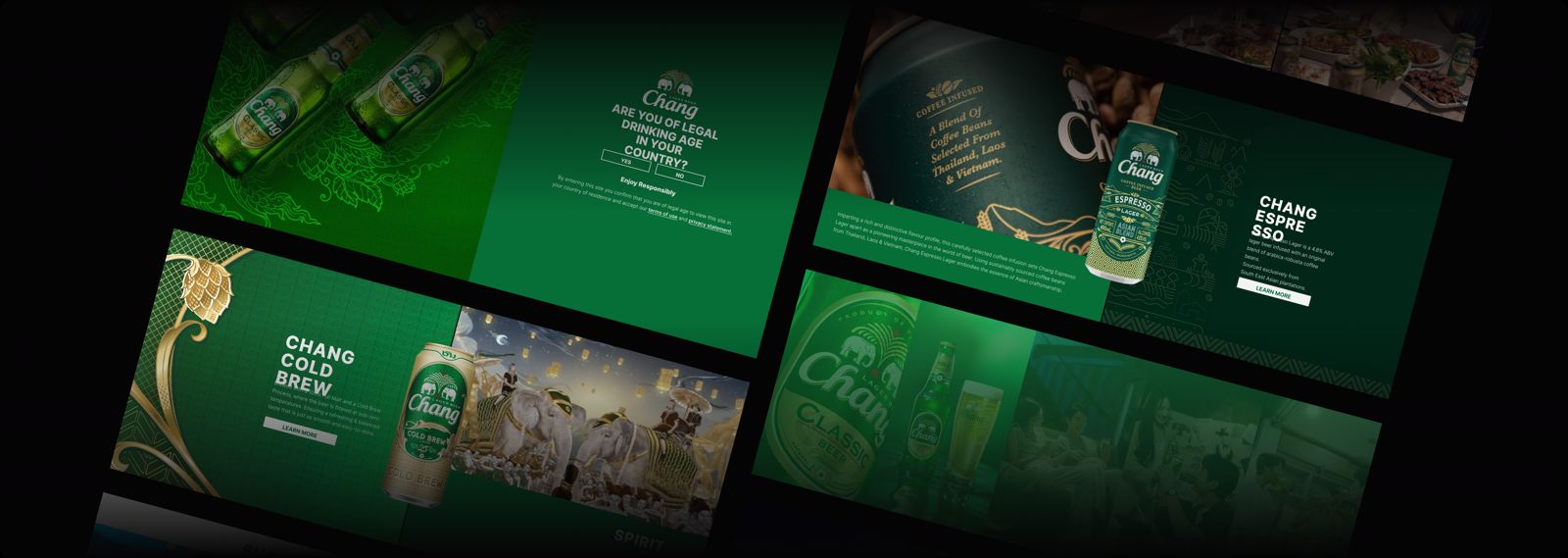
Web · CMS · Localization
Build software that fits your business.
Tell us what the software needs to do and where your current tools fall short. We'll come back with a scoped first release and roadmap.