
How Artificial Intelligence Is Reshaping the Future of Software Development
How AI is reshaping software development: code generation, intelligent testing, personalization and predictive analytics across every stage of the SDLC.
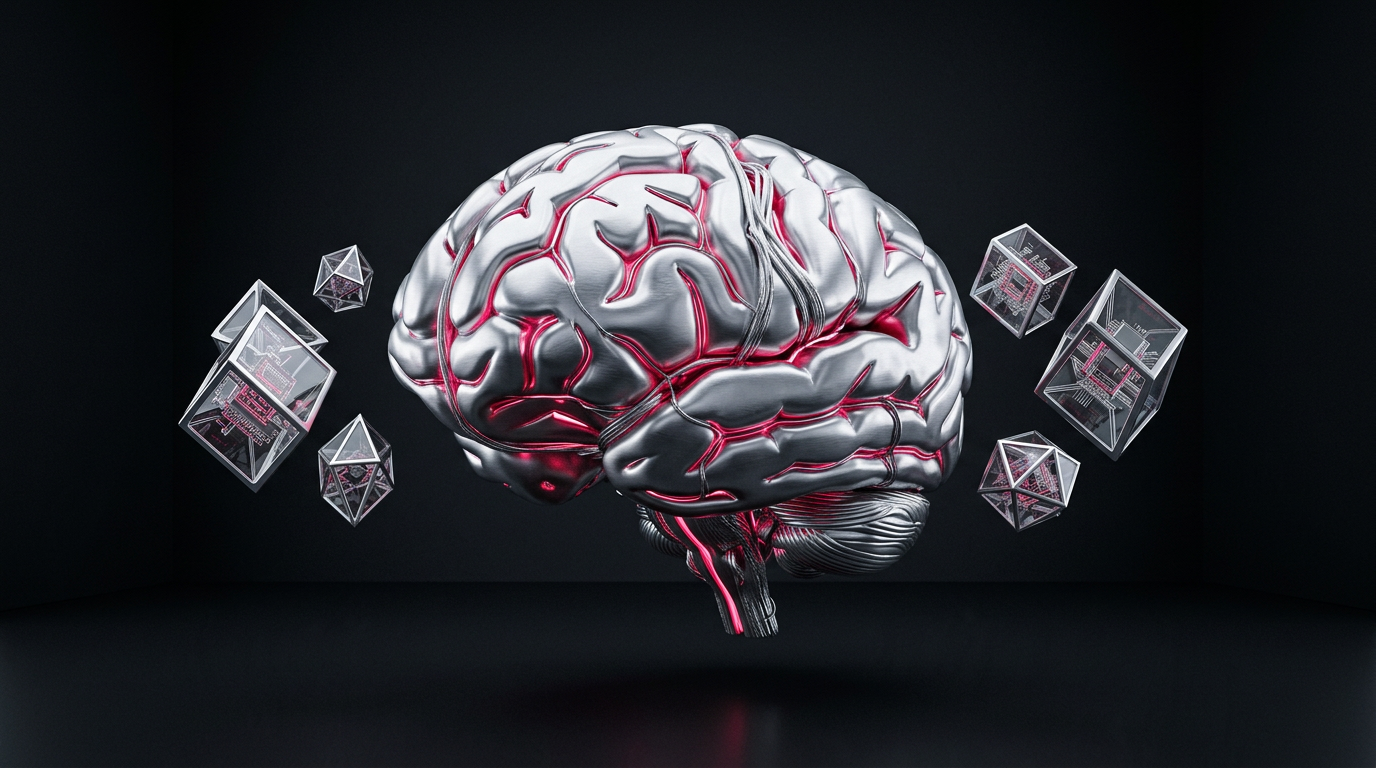
The software development industry is experiencing one of the most significant transformations in its history. While technological innovation has always driven change, the rapid advancement of artificial intelligence is accelerating development processes, redefining workflows, and creating entirely new opportunities for businesses and development teams alike.
What once required months of manual effort can now often be completed in a fraction of the time with the assistance of intelligent tools and automation. From planning and architecture to coding, testing, deployment, and long-term maintenance, artificial intelligence is becoming deeply integrated into every stage of the software development lifecycle.
The Evolution of Modern Software Development
Software development has evolved dramatically over the past two decades. Traditional waterfall methodologies gave way to Agile frameworks, cloud computing transformed infrastructure management, and DevOps streamlined collaboration between development and operations teams.
Today, artificial intelligence represents the next major leap forward.
Unlike previous technological advancements that primarily focused on improving infrastructure or processes, AI has the unique ability to augment human decision-making, automate complex tasks, and continuously improve through learning and analysis.
Rather than replacing developers, AI is enabling skilled professionals to spend less time on repetitive work and more time focusing on strategic thinking, creativity, and business value.
Accelerating Development Cycles
Development teams are increasingly using AI-powered tools to assist with:
- Code generation
- Documentation creation
- Architecture recommendations
- Refactoring existing systems
- Identifying potential vulnerabilities
- Optimizing application performance
This increased efficiency allows organizations to reduce time-to-market, respond more quickly to customer needs, and gain a competitive advantage.
Improving Software Quality Through Intelligent Testing
Quality assurance has traditionally been one of the most resource-intensive aspects of software development. Modern AI-driven testing platforms can automatically:
- Generate test cases
- Detect anomalies
- Identify potential bugs
- Predict failure points
- Analyze user behavior patterns
- Prioritize testing efforts
This allows teams to identify issues earlier in the development lifecycle, reducing costly fixes after deployment.
Enhancing User Experience Through Personalization
Today's users expect software to provide highly personalized experiences. Organizations are leveraging AI to create:
- Personalized recommendations
- Intelligent search experiences
- Dynamic content delivery
- Predictive customer support
- Adaptive user interfaces
The ability to deliver personalized digital experiences has become a major competitive differentiator across virtually every industry.
The Rise of AI-Powered Business Applications
Intelligent Virtual Assistants
AI-powered assistants can automate customer interactions, support internal teams, and provide real-time information — offering natural language understanding and contextual responses.
Predictive Analytics Platforms
Organizations are using AI to analyze large volumes of data and identify patterns. Predictive analytics helps businesses forecast demand, reduce operational risks, improve inventory management, optimize marketing campaigns, and enhance customer retention.
Process Automation Solutions
AI is helping companies automate repetitive processes: document processing, customer onboarding, lead qualification, fraud detection, compliance monitoring, and workflow management.
The Future of Software Development
Future development environments will likely include more advanced AI coding assistants, autonomous testing systems, predictive maintenance platforms, intelligent security monitoring, automated optimization engines, and self-improving software architectures.
However, human expertise will remain essential. Successful software development will continue to require creativity, strategic thinking, business understanding, and effective communication — skills that AI cannot fully replicate.
Final Thoughts
Artificial intelligence is fundamentally changing how software is designed, developed, tested, and maintained. It is enabling organizations to move faster, improve quality, reduce costs, and create more intelligent digital experiences.
As adoption continues to accelerate, businesses that embrace these technologies will be better positioned to compete in an increasingly technology-driven marketplace.